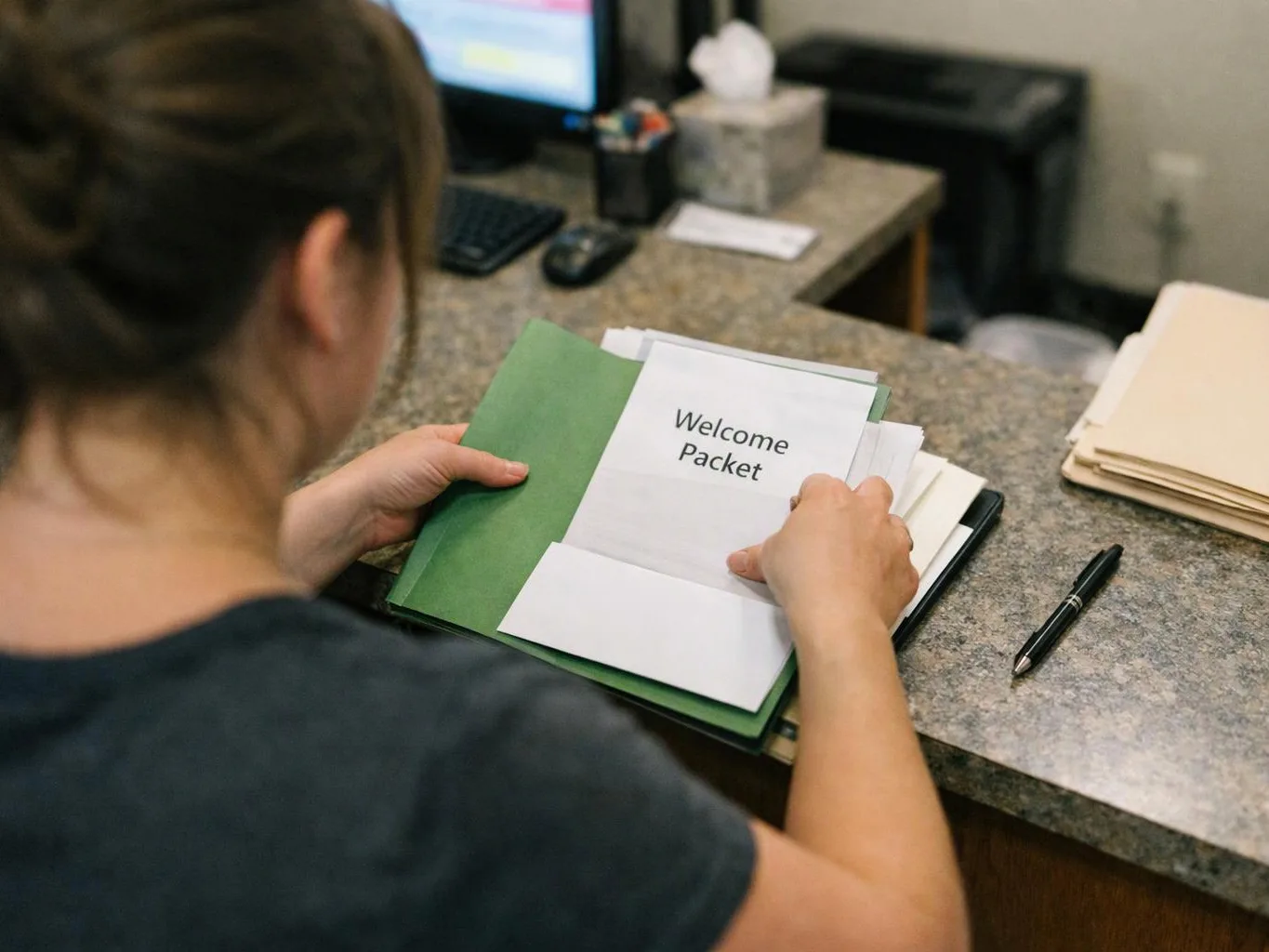
Review symptoms and medical history
We assess pain location, movement limits, injury history, prior treatment, and relevant medical records.
Medial branch blocks help assess pain that may come from the small facet joints in your spine. We explain the treatment and next steps in plain language.
A medial branch block targets small nerves associated with spinal facet joints to help assess a possible pain source. This option fits patients whose symptoms and examination suggest facet-related neck or back pain. We review suitability, explain the planned care, and discuss follow-up based on the response.
It can help identify whether facet joint nerves contribute to your pain.
It can guide a more focused treatment plan after an injury or persistent back pain.
It gives you a specific point to discuss during follow-up care.
“The second diagnostic procedure may only be performed a minimum of 2 weeks after the initial diagnostic procedure.”
Source: cms.gov
“After the first diagnostic facet joint procedure, there must be a consistent positive response of at least 80% relief of primary (index) pain (with the duration of relief being consistent with the agent used)”
Source: cms.gov

Medial branch blocks focus on small nerves that carry signals from spinal facet joints. Facet joints sit at the back of the spine and help guide movement. Pain from these joints can feel like a deep ache near the neck or back. The procedure is a diagnostic tool as well as a treatment option in selected cases. A change in pain after the injection can give useful information about the suspected source, but it does not prove that every spinal symptom comes from the facet joints. Our pain management physician considers symptoms, examination findings, injury history, and available imaging referrals. We also discuss what the findings could mean before creating an individualized plan. Results vary, and follow-up care depends on the full clinical picture.
Medial branch blocks are minimally invasive injections that test whether small nerves near spinal facet joints contribute to pain.
We assess pain location, movement limits, injury history, prior treatment, and relevant medical records.
Our physician compares the clinical findings with the suspected facet joint source and considers imaging referrals when spinal or joint conditions need more review.
We explain the planned target, expected sensations, possible risks, and the information the procedure may provide.
We ask you to note changes in pain and movement after the block because the response helps guide the next discussion.
We use the clinical picture and your response to discuss continued care, further evaluation, or another treatment path.
Bring details that help our physician connect your symptoms with the suspected spinal pain source.
We match the block plan to each patient’s symptoms, injury history, examination findings, and suspected facet pain source.
We consider medial branch blocks among minimally invasive options when the clinical picture supports their use.
We use imaging referrals when spinal or joint findings need more information before treatment planning.

The staff were super friendly and efficient with my back injections. They made me feel safe and I made a great connection with the receptionist. I was actually surprised by the low level of pain. I’ve had back injections before that were very painful, but these injections felt like a little pinch. Would definitely Recommend this facility.

Doctor is very knowledgeable about injections and spine . Tracy’s customer service was impeccable. She made me feel at ease . Overall great team !

The staff is very friendly, I went in to get an injection in lower back because I was having pain. The staff explained everything to me and answered all of my questions. I experienced no pain. Great experience!
Are back or neck symptoms limiting your daily movement? Contact Premier Injury Specialists to discuss your condition and request a consultation with our pain management physician.
Pain that remains after an auto accident may involve facet joints, discs, muscles, or nerves. The key issue is matching the pain pattern with the right clinical assessment, not assuming one cause. Bring accident records, imaging reports, and a list of treatments to your consultation so we can review the injury and discuss whether a medial branch block fits.
Neck or back pain that changes with movement can affect work, sleep, and routine tasks. A medial branch block may help assess whether facet joint nerves contribute, but the response must be viewed with your examination and history. Note which movements bring on pain, then share that pattern during your appointment.
Several spinal structures can produce similar symptoms, so treatment choice requires careful review. Our physician considers the pain location, injury history, physical findings, and any imaging referrals before planning an injection. Ask what a helpful response would mean and what follow-up decision would come after the assessment.