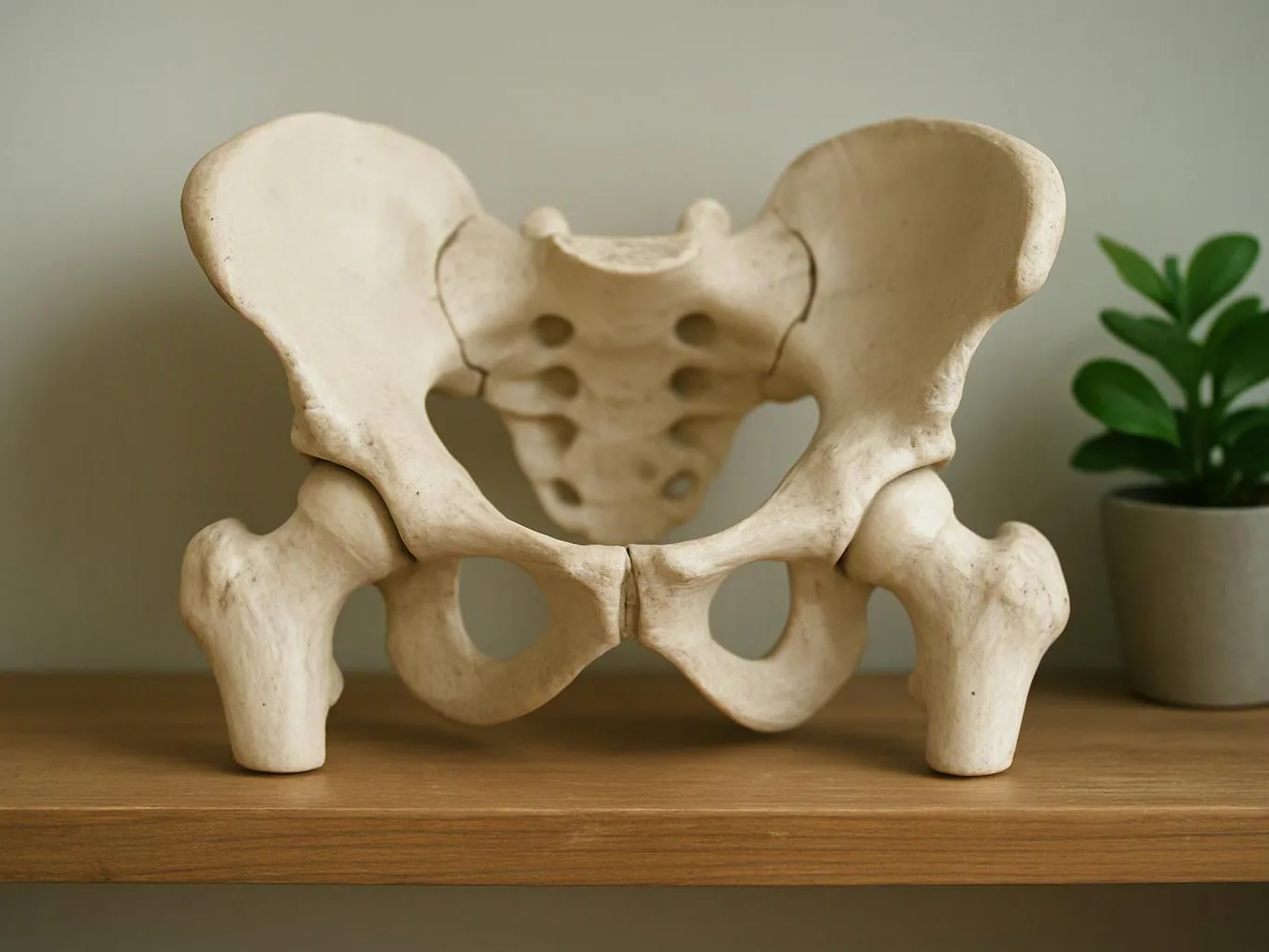
Review symptoms and movement limits
We discuss pain, numbness, weakness, walking tolerance, and the daily activities that have changed.
We assess spinal narrowing and its effect on movement, then explain clear treatment options. Our care stays focused on safer movement and daily function.
Less discomfort during standing, walking, or routine activity.
A clearer plan for managing numbness, leg pain, and movement limits.
Practical rehabilitation guidance that supports safer daily movement.
Follow-up decisions based on function and your response to care.
Spinal stenosis treatment is medical care that reduces symptoms linked to narrowed spaces around the spinal cord or nerves.

Spinal stenosis can reduce the space around nerves in the spine. Pressure may lead to back pain, leg symptoms, numbness, or trouble standing for long periods. The main decision is how symptoms affect your life. We look at walking tolerance, sleep, work tasks, and other daily movements, then match care to the findings. A plan may include medication management, physical rehabilitation guidance, or interventional treatment. Progress should be judged by function, not pain alone. We track changes such as walking farther, standing with less discomfort, or returning to needed activities. Surgery may require a separate evaluation when symptoms progress or conservative care does not fit the situation.
We discuss pain, numbness, weakness, walking tolerance, and the daily activities that have changed.
We use imaging referrals when needed to support evaluation of spinal conditions and connect findings with your symptoms.
We identify useful measures, such as easier walking or longer standing, so progress has a clear reference point.
We discuss medication management, rehabilitation guidance, or minimally invasive treatment when clinically appropriate.
Follow-up care considers symptom change, daily function, and whether the current plan still fits your needs.
Bring information that helps us connect your symptoms with your spine and daily movement.
We build each spinal stenosis plan around symptoms, clinical findings, movement limits, and the patient’s care goals.
We review nonsurgical and minimally invasive options first when those approaches fit the patient’s clinical needs.
We use imaging referrals to support spinal evaluation when symptoms and clinical findings call for added information.

Doctor is very knowledgeable about injections and spine . Tracy’s customer service was impeccable. She made me feel at ease . Overall great team !

The staff is very friendly, I went in to get an injection in lower back because I was having pain. The staff explained everything to me and answered all of my questions. I experienced no pain. Great experience!

Phenomenal absolutely Phenomenal experience great friendly and knowledgeable staff, I went 3 times and I loved the treatment highly recommend any one to go....thanks guys im 100% better
Premier Injury Specialists can discuss your symptoms, movement limits, records, and treatment options during a consultation. Request a free consultation to plan your next step.
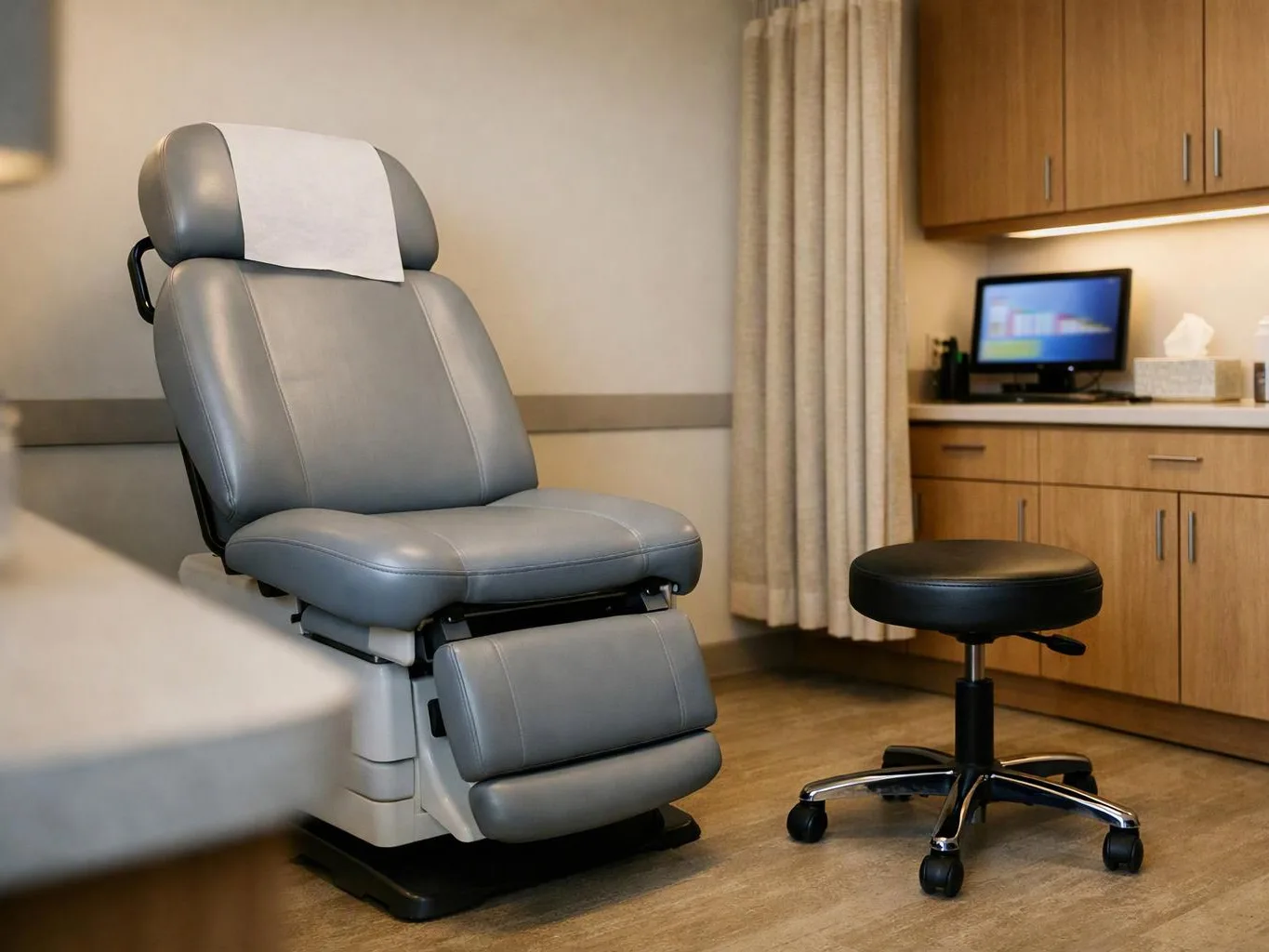
Pain or numbness may begin after standing or walking, then ease when you sit. The key issue is how the pattern affects safe movement and daily tasks. Write down what brings symptoms on, bring available imaging information, and schedule a pain evaluation in Stockbridge so we can discuss the next care step.
Back pain, tingling, and leg weakness can have more than one cause. A useful visit connects the symptom pattern with movement, prior injury, and any spinal records. Bring your treatment history and describe changes in walking or balance, so our team can build an individualized plan.
Some patients want to understand nonsurgical options before considering a surgical opinion. Treatment choices depend on symptoms, function, clinical findings, and response to care. During a consultation, we can discuss medication management, rehabilitation guidance, imaging referrals, and minimally invasive options when they fit your condition.