What non-surgical treatments can improve spinal stenosis symptoms for Spinal Stenosis Treatment?
Medication management, physical therapy, walking plans, and spinal injections can improve symptoms for suitable patients. Premier Injury Specialists begins with a pain evaluation and reviews health history, current medicines, movement limits, and daily goals. The plan may use one option or combine several. Results vary, so we explain the purpose and limits of each choice before treatment.
How does a pain management physician decide whether medicine is suitable?
Medication suitability depends on symptoms, current medicines, health history, and possible side effects. Our physician reviews those factors before discussing medication management. Patients should share every prescription, over-the-counter medicine, and supplement they use. That information helps shape a safer discussion about symptom control and follow-up.
Which symptoms should prompt urgent medical attention for Spinal Stenosis Treatment?
New or worsening weakness, major loss of bladder or bowel control, or sudden loss of function needs prompt medical attention. Spinal stenosis symptoms can change, and serious changes should not wait for a routine discussion. Our clinic can review ongoing pain concerns, but urgent symptoms require immediate medical care.
When does physical therapy fit a spinal stenosis plan?
Physical therapy fits when guided movement can support strength, flexibility, and daily function. We consider the patient’s pain pattern, walking tolerance, balance, and current activity level. The plan should match those findings and should not push through new weakness or severe symptoms. Patients receive guidance on the role of rehabilitation in their wider care plan.
Why might a doctor discuss a spinal injection?
A spinal injection may be discussed when symptoms and the clinical assessment support a targeted interventional option. The physician explains the area being treated, the purpose of the injection, and how it fits with other care. Patients can ask about risks, expected limits, and follow-up before deciding whether to proceed.
What should I bring to a first consultation in Lovejoy?
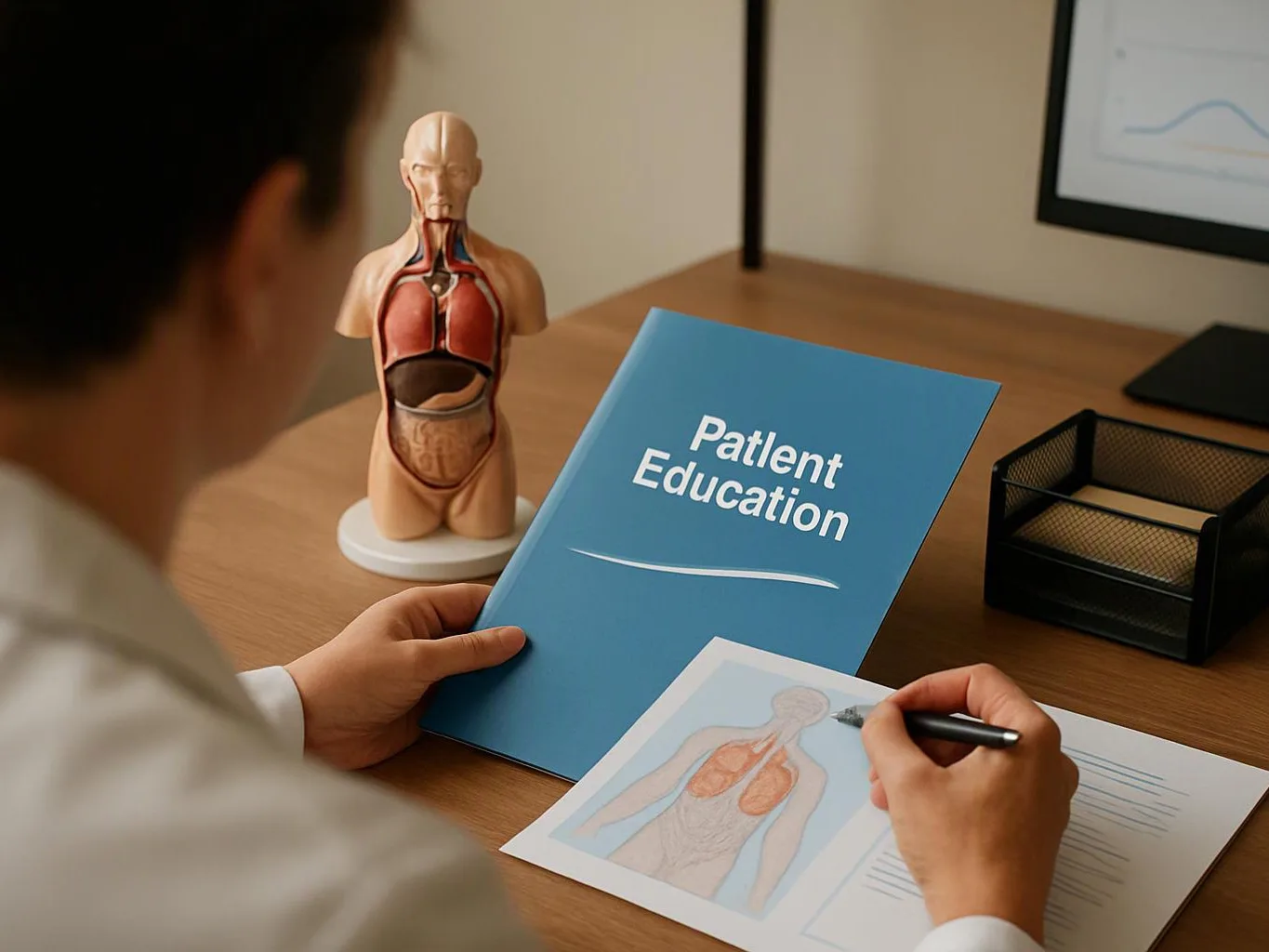
A current medicine list, relevant medical records, imaging reports, and a short symptom history help the consultation. Patients should note where pain travels, what activities worsen it, and whether numbness or weakness occurs. Premier Injury Specialists uses that information to discuss suitable non-surgical options and next steps.
How can I choose the right pain management physician for stenosis care?
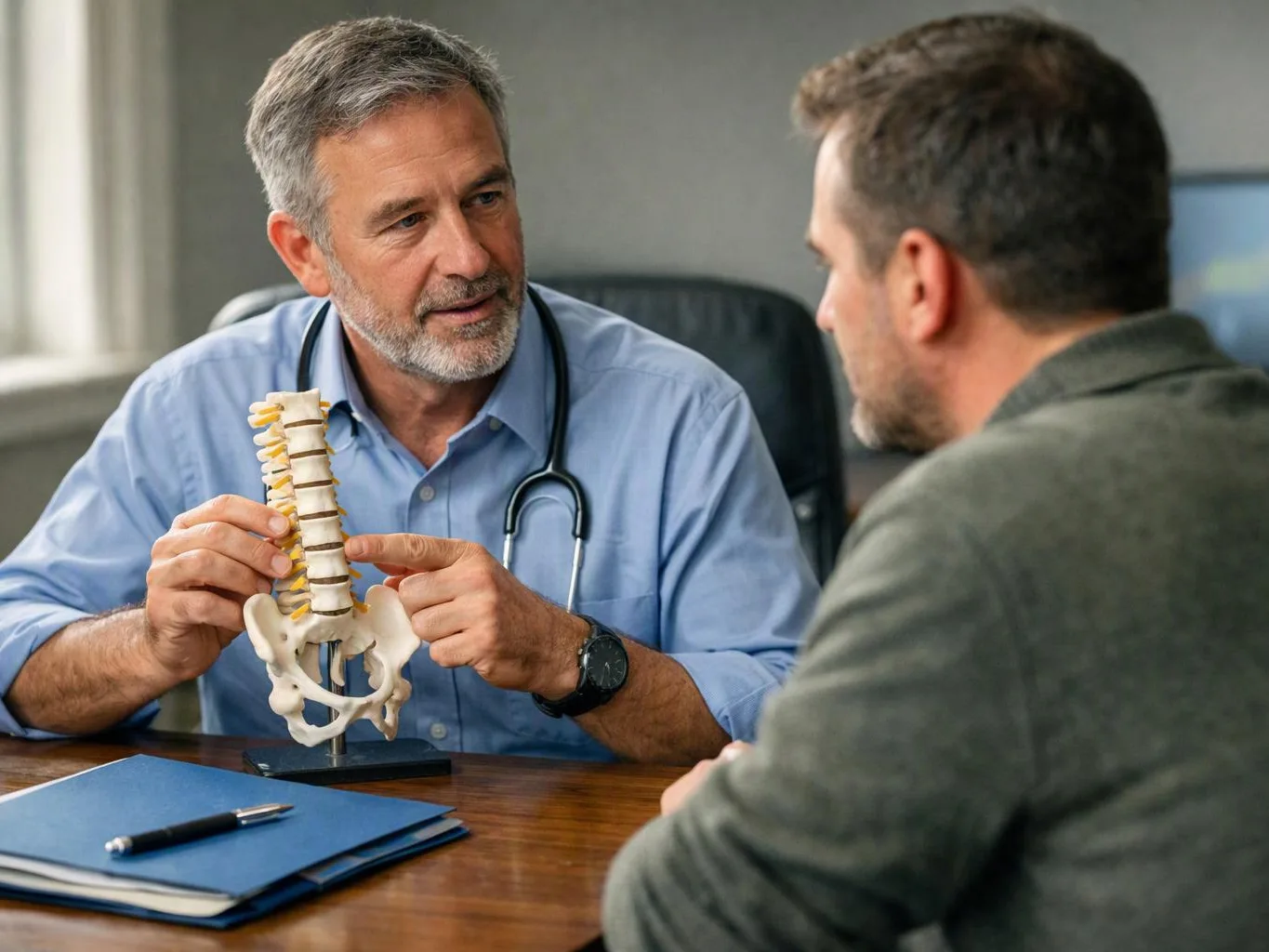
Look for physician-led care, clear treatment explanations, and a plan that addresses both symptoms and function. Ask how the practice reviews medicines, evaluates movement limits, and decides whether injections fit. Our team provides personalized injury treatment plans and board-certified medical expertise as part of its pain care approach.