Review the injury and symptoms
We discuss how the impact happened, when symptoms began, and which movements or tasks make them worse.
Neck pain, stiffness, and headaches can follow a crash. We provide personalized pain care with clear answers and next steps.
Less disruption from neck pain during work, sleep, and daily movement.
A treatment plan that connects symptoms with practical rehabilitation guidance.
Earlier attention to warning signs that can point to nerve or joint involvement.
Whiplash treatment is medical care that evaluates and manages neck pain after sudden head and neck movement.
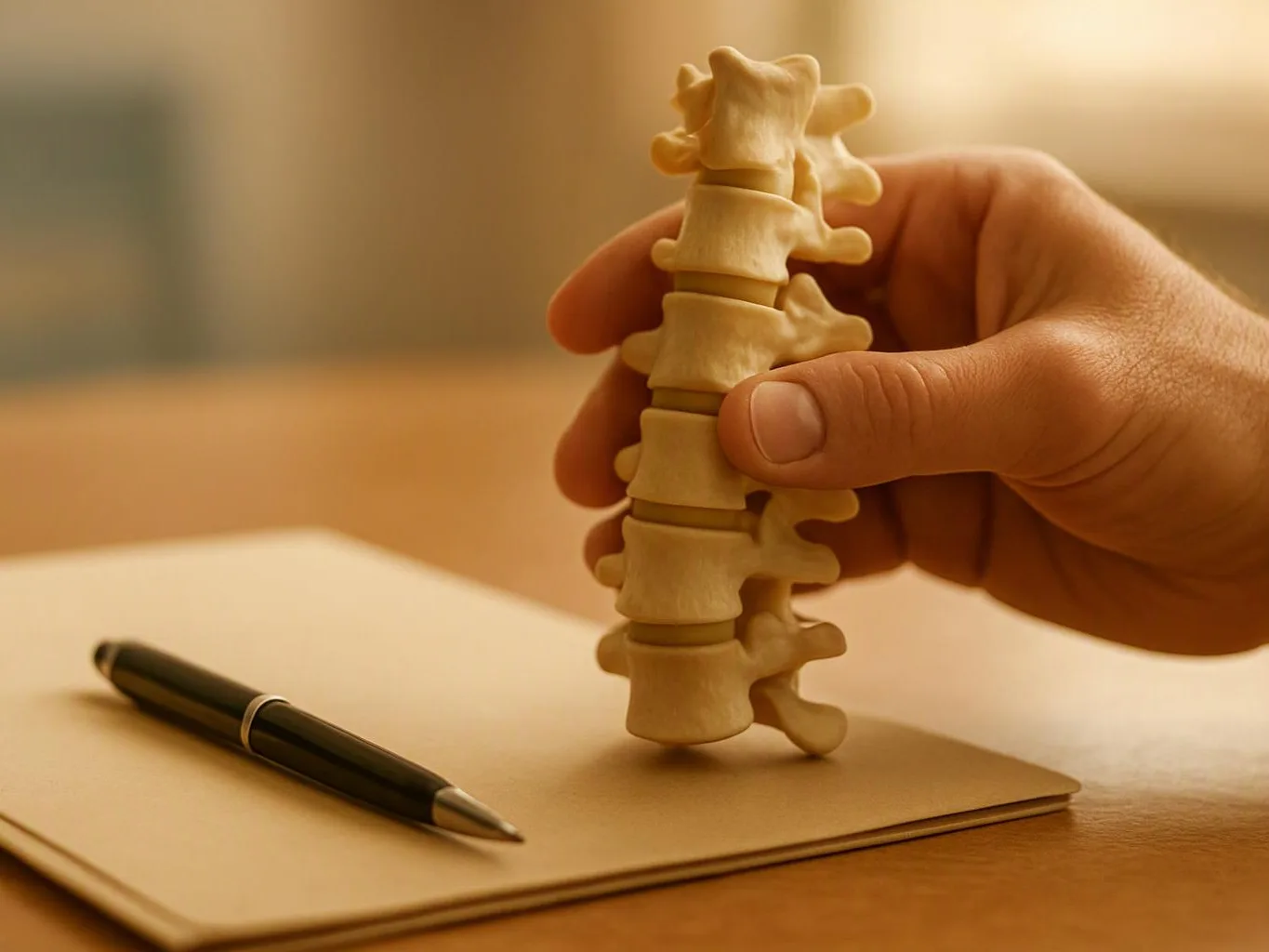
Whiplash care starts with the story of the injury and the symptoms that followed. We look at pain, neck movement, headaches, sleep, work demands, and changes in daily function. The plan may include medication management, physical rehabilitation guidance, or minimally invasive treatment when clinically appropriate. Imaging referrals can support evaluation of spinal and joint conditions, but imaging is considered alongside the physical assessment. Recovery can be uneven. Symptoms might settle, remain active, or change as the neck heals. We focus on warning signs and function, so a plan can be adjusted when progress stalls or new symptoms appear.
We discuss how the impact happened, when symptoms began, and which movements or tasks make them worse.
We examine movement, pain patterns, and nerve-related symptoms to identify risks that need closer medical attention.
We use imaging referrals to support evaluation of spinal and joint conditions when the clinical assessment indicates a need.
We may include medication management, rehabilitation guidance, injury-related pain care, or minimally invasive treatment when appropriate.
We track changes in pain and function, then discuss the next step when symptoms persist or the plan needs revision.
A few details can help us understand the injury and plan your evaluation.
We explain whiplash findings, treatment choices, and follow-up needs throughout each patient’s care journey.
We shape each whiplash plan around the patient’s symptoms, injury history, movement limits, and daily needs.
We prioritize evidence-based, minimally invasive, and nonsurgical options when they fit the clinical findings.

I had a great experience at premier injury specialist after my car accident. From the moment I walked in, Tracy, the patient coordinator, made sure I understood the process and felt comfortable. Tony, the medical assistant, did an amazing job explaining the procedure in detail, which eased my nerves. Dr. Vyas thoroughly reviewed my MRI and took the time to explain my condition and treatment options. He was very honest and upfront about the procedure, making sure I truly needed the injection before administering it. His transparency and genuine care for my well-being reassured me that this office isn’t just in it for the money — they are truly invested in their patients’ health. I highly recommend this office to anyone in need of pain management. They provide exceptional care with professionalism and integrity.

Please come see these guys they can really help you with your pain after an accident. 10/10

Had a great experience. They fully explained what was going on with me and made me feel very comfortable. I will be recommending Premier Injury Specialist to friends and family
Your first deliverable is a focused injury evaluation and a discussion of possible next steps. Premier Injury Specialists offers Free Consultations for patients in Stockbridge and nearby communities.
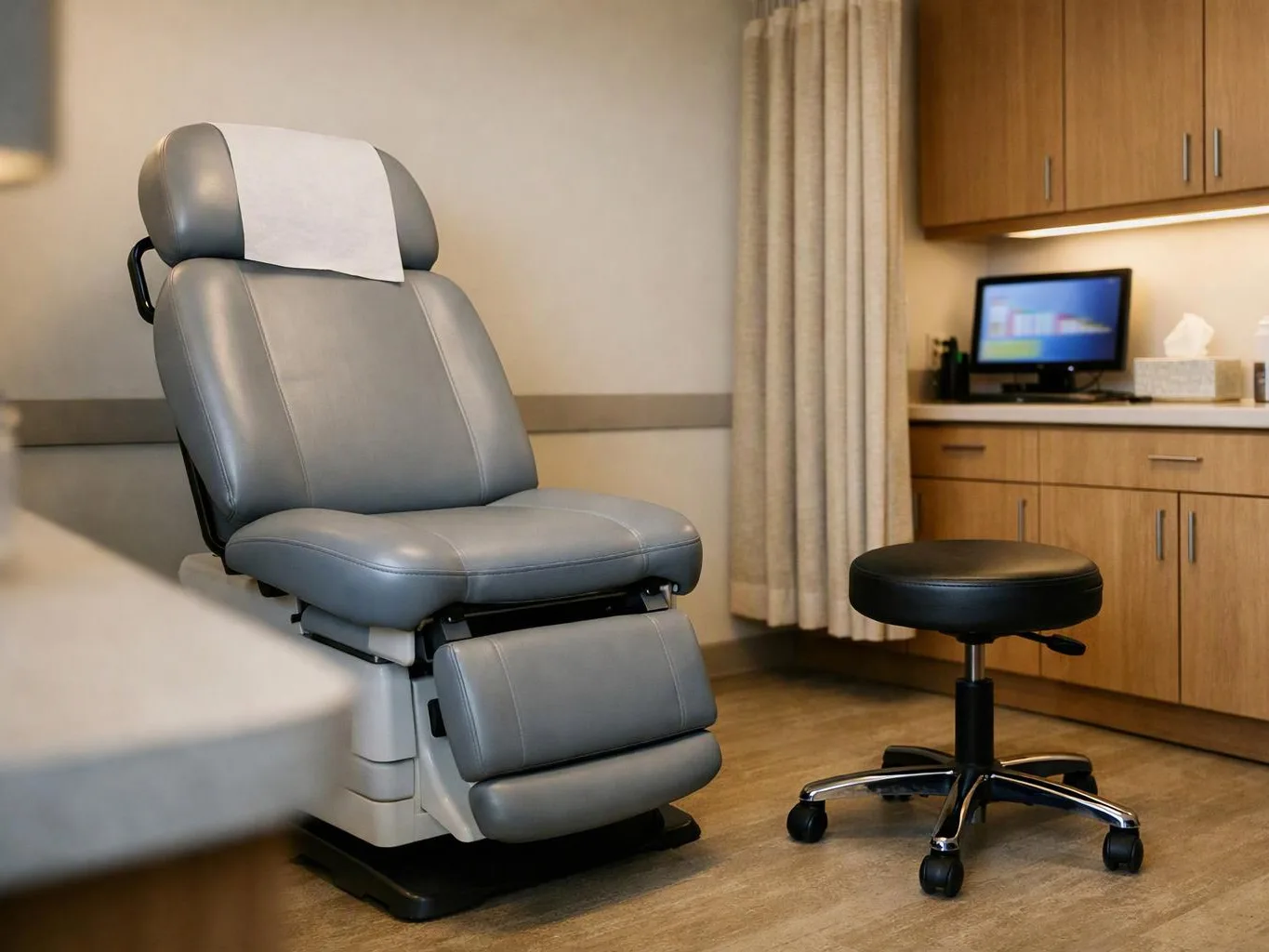
Neck stiffness can appear after the first shock of a crash wears off. The injury history, symptom pattern, and changes in movement matter during the visit. Bring any accident records and note when pain began. We’ll assess the neck and discuss treatment options that fit your condition and daily needs.
Pain that fades and returns can affect sleep, work, and basic movement. Repeated symptoms deserve a closer look, especially when headaches, shoulder pain, numbness, or weakness appear. Write down what brings the pain back. Our team can use that pattern during the evaluation and treatment planning.
Some patients worry about medication side effects or procedures after a painful injury. Those concerns belong in the consultation, where we can discuss nonsurgical and minimally invasive options when clinically appropriate. Tell us what you fear, what you have tried, and what you need to do each day. We’ll explain the next step in plain language.