Review the pain pattern
We discuss when pain began, where it travels, what worsens it, and how it affects walking, sleep, and work.
We provide personalized pain care for hip pain linked to injury, joint problems, or related musculoskeletal conditions. Free consultations are available.
A focused plan can help you understand why movement hurts and which care options fit the findings.
Treatment planning keeps daily goals, such as walking, working, or sleeping, part of the discussion.
Rehabilitation guidance can support safer movement as symptoms change.
Hip pain treatment is medical care that identifies pain sources and builds a plan to improve movement and daily function.

Hip pain care begins with the story behind your symptoms. We review injury history, pain location, movement limits, and related back or nerve symptoms. Treatment may include medication management, physical rehabilitation guidance, injury-related care, or minimally invasive options when appropriate. Imaging referrals may support evaluation of joint and spinal conditions. Risk and fit matter. A treatment that helps one pain source may not suit another, so we match the plan to the findings and explain possible next steps before care proceeds.
We discuss when pain began, where it travels, what worsens it, and how it affects walking, sleep, and work.
We examine the condition in context, including hip function and signs that may point to a back, joint, or nerve source.
We use imaging referrals to support evaluation of spinal and joint conditions when the clinical review calls for more information.
We explain medication management, rehabilitation guidance, injury care, or minimally invasive options that fit the patient’s needs.
We offer free consultations so you can discuss the concern and understand the next step before choosing care.
A few details can help us understand the pain pattern and plan the visit.
We shape hip pain plans around each patient’s symptoms, movement limits, injury history, and daily function.
We consider evidence-based, minimally invasive, and nonsurgical options when those choices fit the clinical findings.
We use imaging referrals when joint or spinal findings need added review before treatment decisions.

My injection wasn't as bad as I thought. It was over quick and I was able to move and lift my legs in a way that I haven't in a while. This decision was well worth it. Office was clean and EVERYONE was absolutely amazing. 10 stars

The staff is very friendly, I went in to get an injection in lower back because I was having pain. The staff explained everything to me and answered all of my questions. I experienced no pain. Great experience!

Phenomenal absolutely Phenomenal experience great friendly and knowledgeable staff, I went 3 times and I loved the treatment highly recommend any one to go....thanks guys im 100% better
Premier Injury Specialists offers free consultations for patients who want to discuss hip pain, injury symptoms, or movement limits. We’re open Monday through Friday, 8 am–6 pm. Call or schedule a consultation to review your concerns and possible next steps.
Pain after an auto accident, workplace injury, or sports injury can affect more than the hip itself. The exam should connect the pain pattern with movement limits and any back or nerve symptoms. Bring injury records and current medicines, then use the consultation to discuss assessment, treatment choices, and follow-up needs.
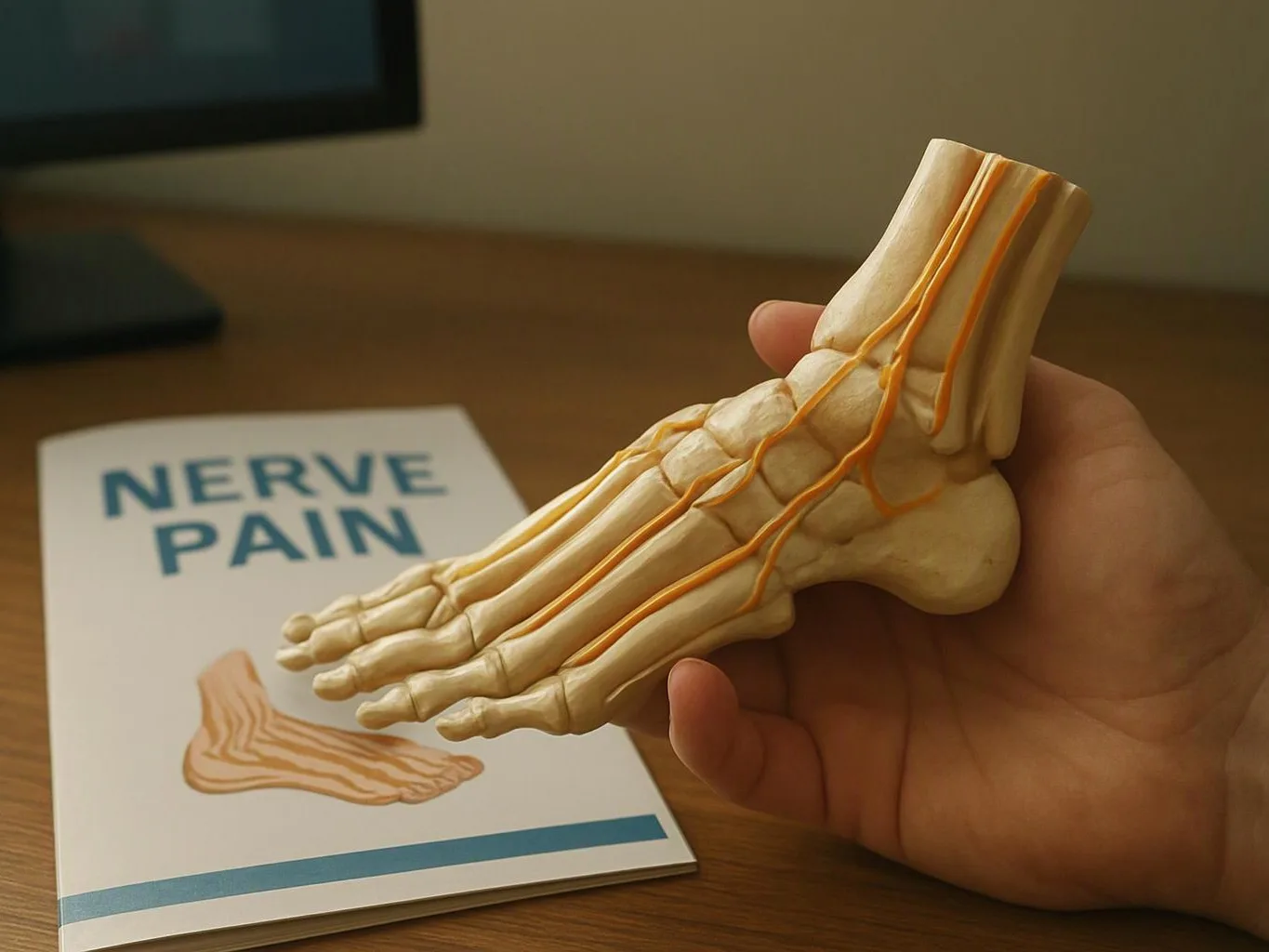
Hip pain that reaches the leg can feel like a hip problem, but the source may involve a nerve or the spine. The location, timing, and triggers matter during assessment. Note when the pain starts, whether numbness appears, and how walking changes before your visit.
Persistent pain can make work, sleep, stairs, or routine movement harder. A useful plan should address the activity you want to regain and the risks of each option. During a consultation, discuss your main goal, prior care, and any treatment that caused concern.