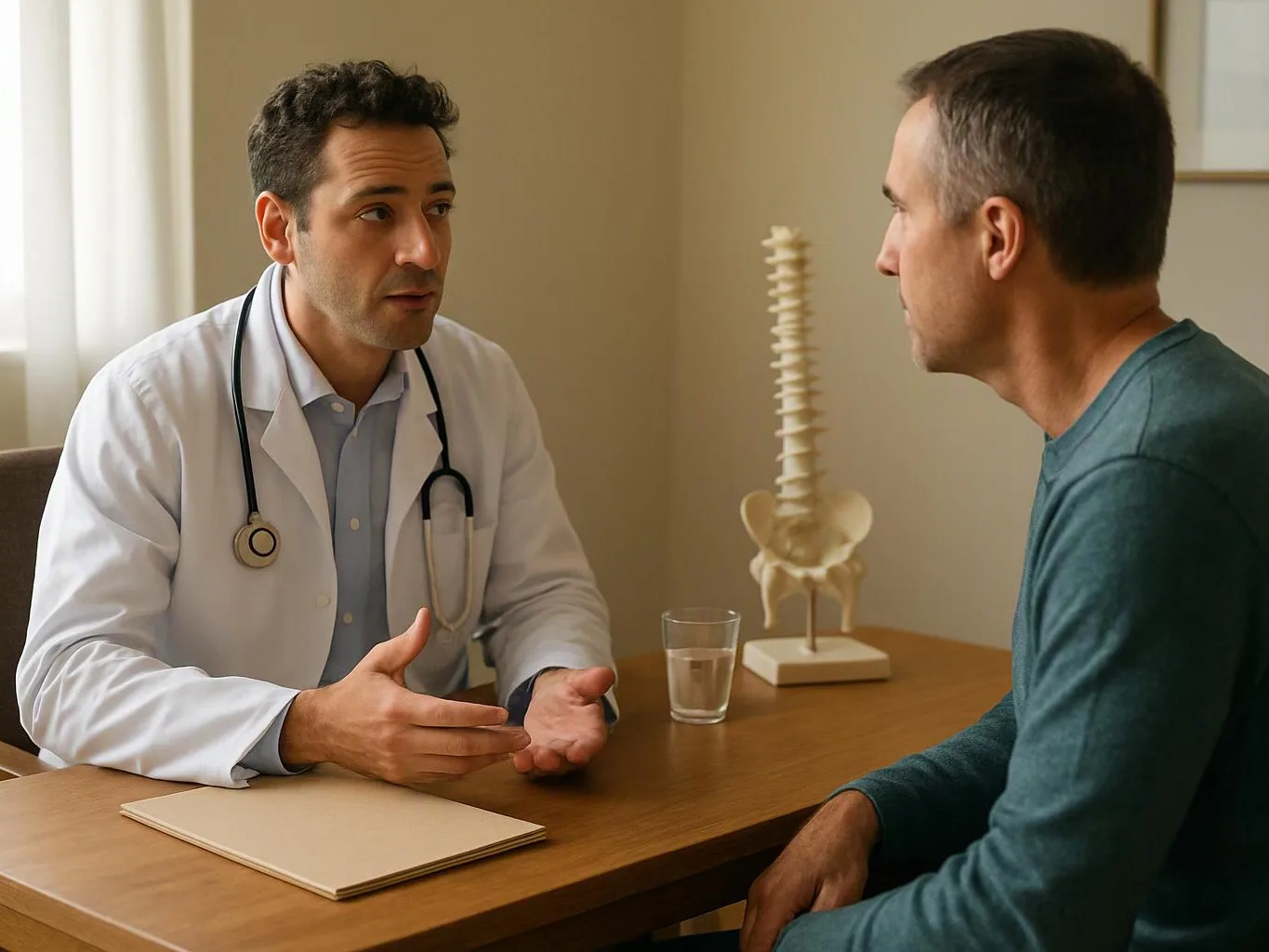
Review symptoms and injury history
We discuss where pain travels, what affects it, and how it limits movement or daily tasks.
We provide personalized pain care for disc-related back and nerve pain. Our physician-led team explains your options and next steps without pressure.
A clearer link between your symptoms and the suspected pain source.
A treatment plan matched to your movement limits and daily needs.
Guidance on medication, rehabilitation, and interventional options when appropriate.
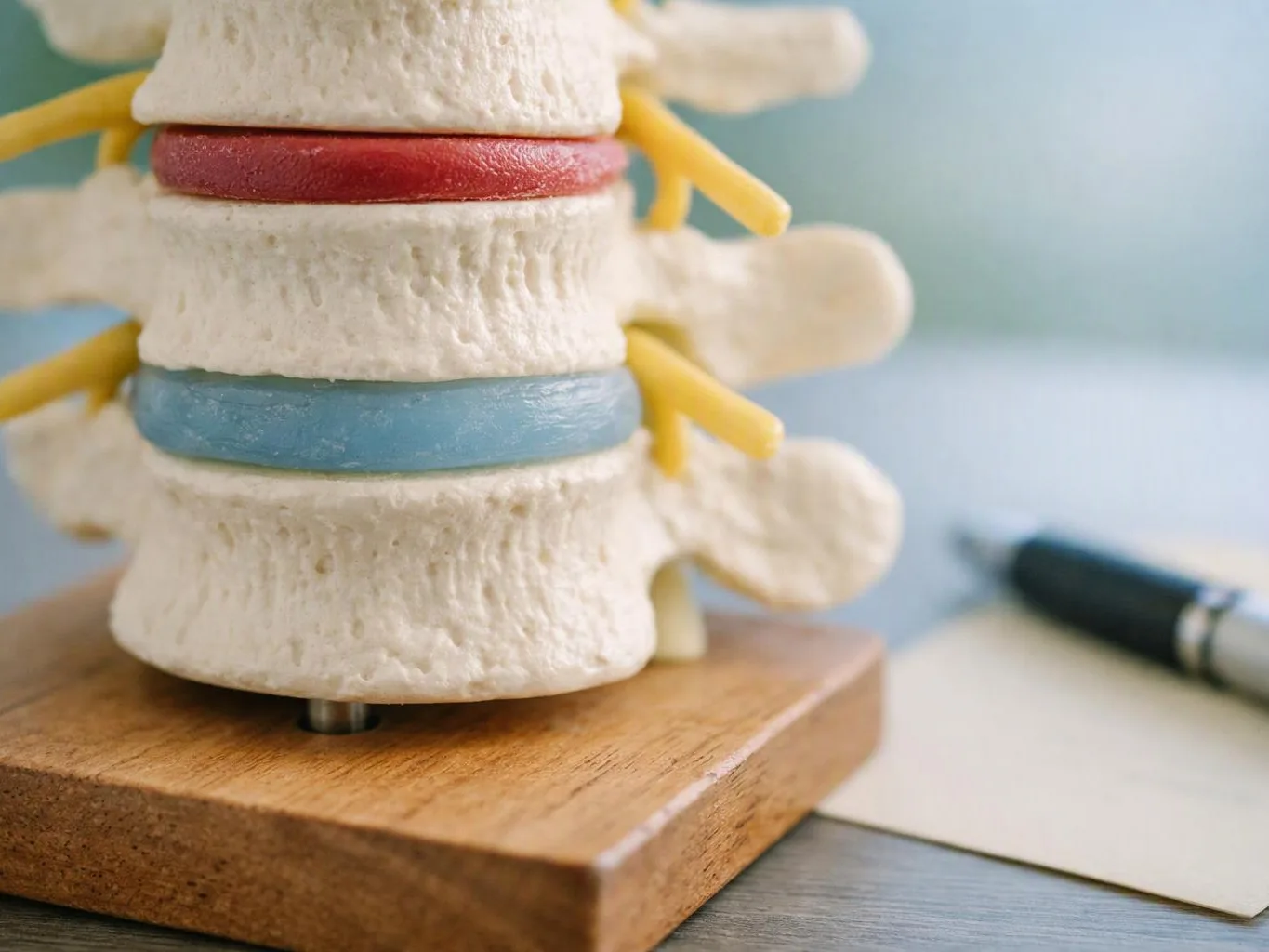
Herniated disc treatment is medical care that assesses a damaged spinal disc and addresses related back, leg, or nerve pain.

Herniated disc treatment begins with the problem you are experiencing, not with a preset procedure. We review your pain pattern, movement limits, injury history, and relevant medical records. Buyer fit matters. This service may suit someone with persistent back or leg symptoms, a known disc problem, or pain after an injury. It may not be the right standalone answer when symptoms point to a different condition or require urgent hospital care. Our deeper focus is scoping the visit correctly. We separate symptoms that need pain care from warning signs that need urgent medical attention, then explain what information supports each option. The plan may include medication management, rehabilitation guidance, imaging referrals, or minimally invasive treatment when clinically appropriate.
We discuss where pain travels, what affects it, and how it limits movement or daily tasks.
We examine the reported symptoms and relevant findings to assess whether nerve irritation or disc changes may be involved.
We use imaging referrals to support evaluation of spinal conditions when existing information does not answer the clinical question.
We outline suitable options, which may include medication management, rehabilitation guidance, or minimally invasive treatment.
Bring information that helps us connect your symptoms with your history and current care.
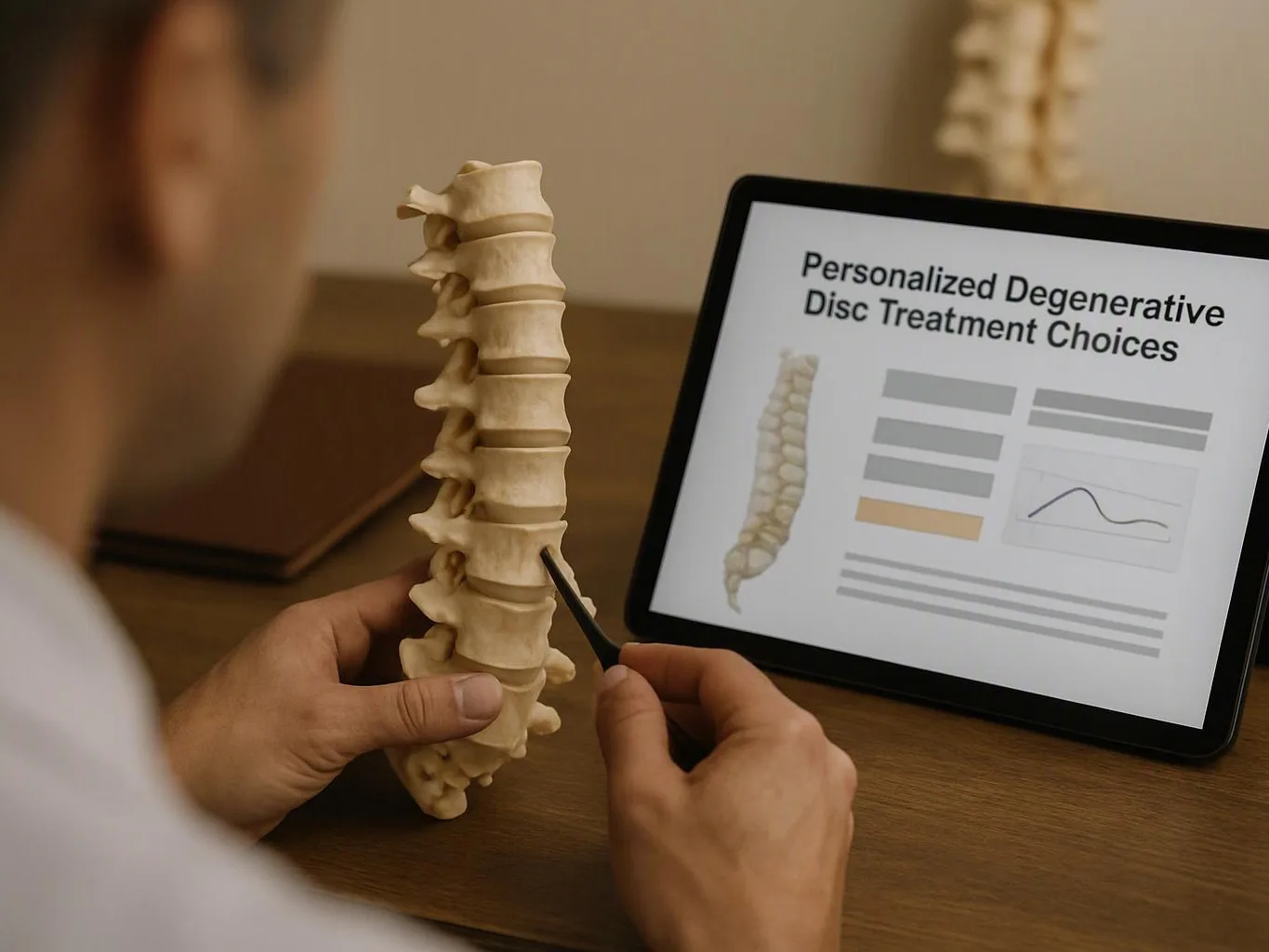
We build each disc pain plan around the patient’s symptoms, examination findings, records, and movement needs.
We prioritize evidence-based nonsurgical and minimally invasive options when clinical findings support those choices.
We request imaging referrals when additional spinal information is needed to guide evaluation and treatment planning.

Doctor is very knowledgeable about injections and spine . Tracy’s customer service was impeccable. She made me feel at ease . Overall great team !

The staff is very friendly, I went in to get an injection in lower back because I was having pain. The staff explained everything to me and answered all of my questions. I experienced no pain. Great experience!

Staff is very friendly and helped me deal with my back pain. Very quick and easy!
Bring available imaging reports, medical records, medication information, and injury details. These materials help us connect your symptoms with prior care and current concerns.
We’ll review the information and explain suitable next steps.
Are back or leg symptoms limiting your daily life? Contact Premier Injury Specialists to discuss your condition, available records, and a suitable next step.
Pain that starts in the lower back and travels down one leg may affect walking, sleep, or work. The pattern, strength changes, and prior imaging matter during a disc evaluation. Write down when symptoms began and bring available records to your consultation. We’ll use that information to discuss whether medication management, rehabilitation guidance, or another option fits your needs.
A car accident, workplace injury, or sports injury can bring on back pain that needs careful review. We assess the injury history and document findings for ongoing care, while checking how symptoms affect movement. Bring accident details and current treatment information to your visit. Our team can then explain the next steps and coordinate care when needed.
Some patients worry that disc pain will lead straight to surgery. The right plan depends on symptoms, findings, and how the condition affects daily function. We prioritize evidence-based, nonsurgical options when clinically appropriate and explain when another medical opinion may be needed. A consultation gives you a chance to ask about risks, expected care, and follow-up.