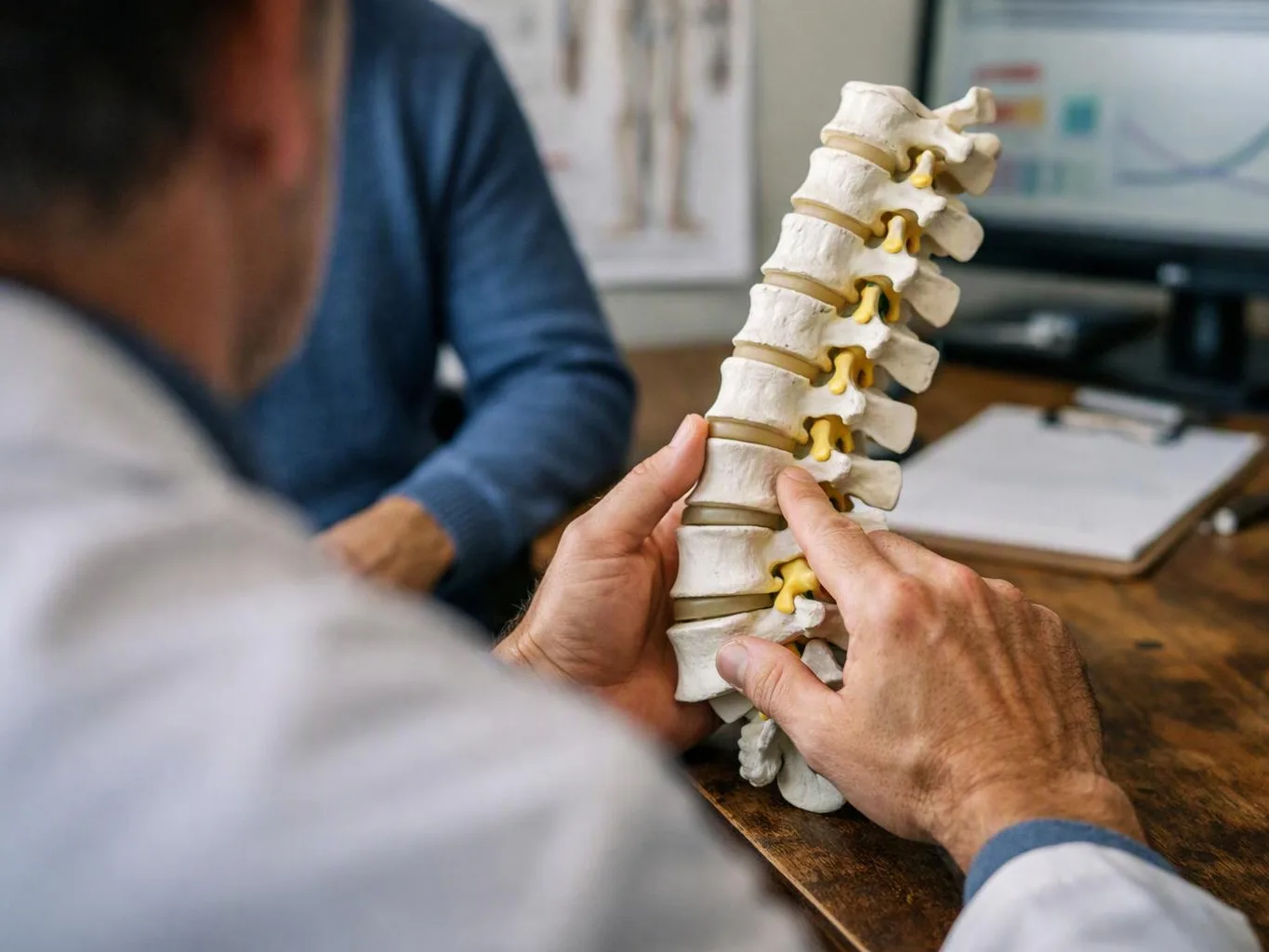
Describe the shoulder problem
We review the pain location, movement limits, injury history, and daily tasks that have become difficult.
We assess shoulder pain and explain practical treatment options without pressure. Our physician-led care stays focused on safer movement and daily function.
Daily movements such as reaching and grooming become easier to assess and manage.
A focused plan connects pain care with rehabilitation guidance and functional goals.
Injury-related symptoms receive attention alongside medication and interventional options.

Shoulder pain treatment starts with the problem that limits your life. We ask when the pain began, which movements trigger it, and whether an injury came first. The care plan may include medication management, physical rehabilitation guidance, injury-related pain care, or minimally invasive interventional treatment. Our team explains why an option fits your condition and what questions to ask before proceeding. Risk matters in shoulder care. A treatment can miss the source of pain when the history, movement pattern, or related joint symptoms are not reviewed together. We look for those gaps during assessment and adjust the plan when findings do not match the first concern.
Shoulder Pain Treatment is medical care that evaluates shoulder symptoms and reduces pain that limits movement or daily tasks.
Bring details that help us connect your shoulder symptoms with their cause and impact.
We review the pain location, movement limits, injury history, and daily tasks that have become difficult.
We examine the condition and use imaging referrals when they support evaluation of a joint or related condition.
We create an individualized plan that may include medication management, rehabilitation guidance, or minimally invasive treatment.
We explain expected benefits, possible risks, warning signs, and follow-up needs before treatment begins.
We explain shoulder findings, treatment choices, risks, and follow-up steps throughout each patient’s care journey.
We build shoulder treatment plans around each patient’s symptoms, injury history, movement limits, and daily goals.
We prioritize evidence-based, minimally invasive, and nonsurgical shoulder options when clinical findings support those choices.

Phenomenal absolutely Phenomenal experience great friendly and knowledgeable staff, I went 3 times and I loved the treatment highly recommend any one to go....thanks guys im 100% better

They was great back feel better than when I walked in. They were kind, and they're very professional.

Feel better already. Fantastic service
Premier Injury Specialists can review your shoulder symptoms, injury history, and movement goals. Schedule a free consultation to discuss clear next steps and upfront pricing information.
Shoulder pain after a crash can affect reaching, dressing, and sleep. The injury history matters because neck, shoulder, and nerve symptoms can overlap. Bring accident records and any prior imaging to your consultation, and tell us which daily movements now cause pain.
Brushing your teeth or lifting a cup can become difficult when shoulder movement hurts. Small task changes help us understand how the condition affects function. Note the movements that trigger pain, then schedule an evaluation so we can discuss suitable treatment options.
Ongoing shoulder pain can create concern when rest and self-care have not restored normal movement. A careful review helps separate the pain source from the treatment response. Bring your medication list and prior treatment details so we can plan the next step with you.