Can chronic headaches be managed without surgery?
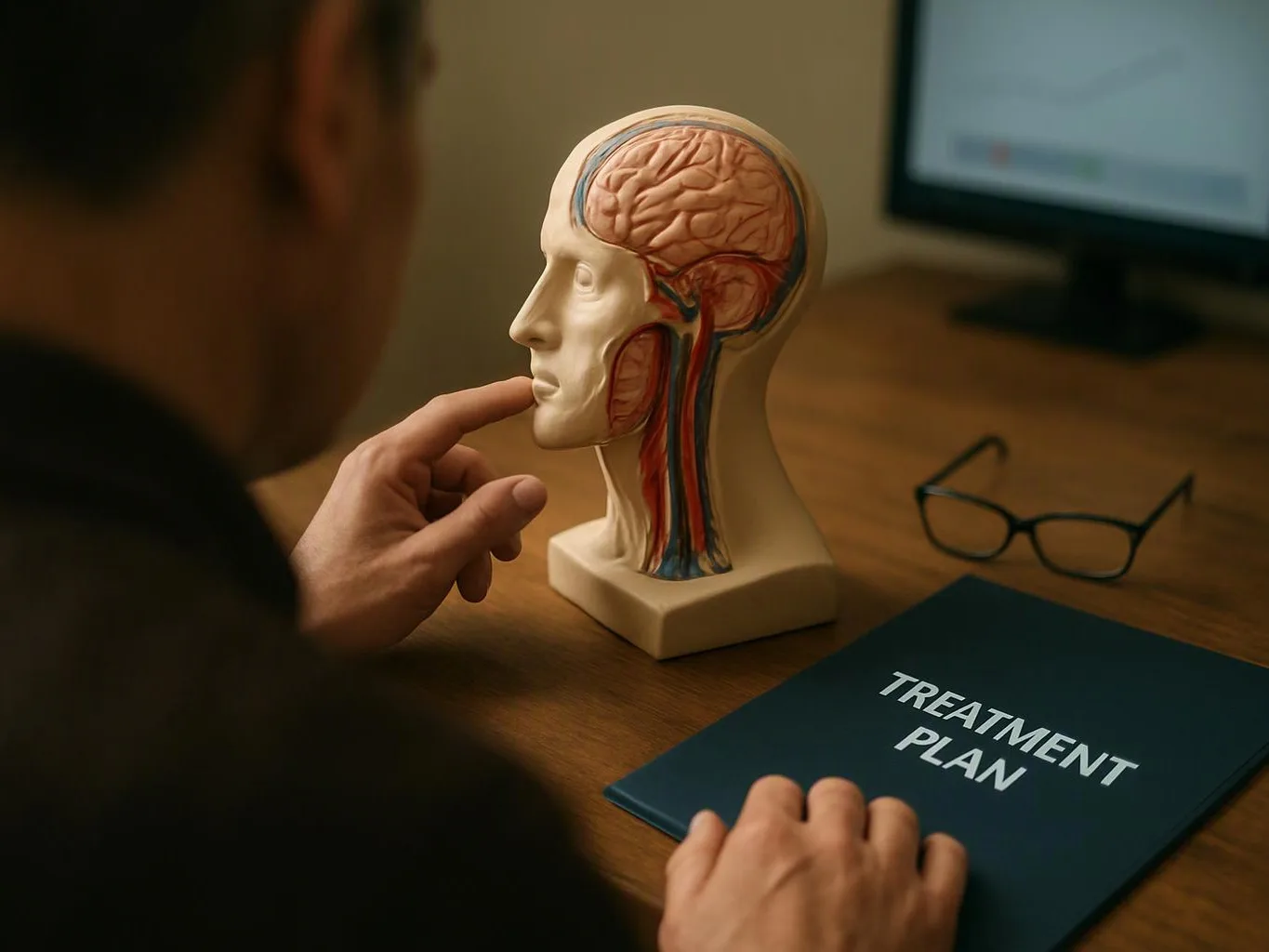
Trigger management can support nonsurgical care for chronic headaches. Preventive medication, nerve blocks, lifestyle changes, and rehabilitation guidance may fit selected patients. The physician reviews your symptoms, health history, current medicines, and injury details before recommending care. Surgery is not the focus of this service, but individual treatment needs vary and some symptoms require another medical evaluation.
Who provides headache treatment through this practice?
Premier Injury Specialists provides headache treatment through physician-led pain management care. The evaluation considers headache symptoms, neck pain, nerve symptoms, injury history, and daily activity limits. Our team explains the findings and discusses suitable options, which may include medication management, rehabilitation guidance, or minimally invasive interventional treatment when appropriate.
For Headache Treatment, what should I bring to a headache consultation?
Medical records, current medication details, and injury information help the physician assess your symptoms. Bring imaging reports if you have them, along with notes about headache timing, triggers, sleep, work, and activity. Auto accident, workplace injury, and sports injury details can also help connect the headache pattern with related pain.
Which part of care changes the treatment cost for Headache Treatment?
The evaluation and selected treatment plan are the main cost drivers. Medication management, rehabilitation guidance, and an interventional option involve different types of care. A free consultation gives you a chance to discuss your symptoms and ask what the recommended plan includes before treatment decisions are made.
How does the first appointment move toward a treatment plan?
The first appointment starts with a review of symptoms, medicines, injury history, and daily function. The physician then considers related neck, nerve, muscle, or joint pain and discusses suitable options. The next steps may include preventive medication, rehabilitation guidance, lifestyle changes, or a nerve block when the findings support it.
When should headache symptoms receive urgent medical attention?
Sudden severe headache, new weakness, confusion, or major vision changes need prompt medical attention. These warning signs can signal a problem that requires urgent evaluation beyond routine pain management. Headache care can address recurring symptoms after an appropriate assessment, but it doesn't replace emergency care for serious changes.
Why might a nerve block be discussed for recurring headaches?
Nerve blocks may be discussed when the pain pattern suggests that targeted treatment could help address pain signals. The physician reviews symptoms, medical history, medicines, and related nerve or neck pain first. The discussion includes suitability and alternatives, so the plan remains tied to your findings instead of a preset procedure.