Sciatica and Pinched Nerve Symptoms: When to Seek an Evaluation
Sciatica and lumbar radiculopathy symptoms can include low back pain that travels into the leg, tingling, numbness, or weakness. Premier Injury Specialists evaluates symptom patterns and warning signs to help determine the next step.
Request an Estimate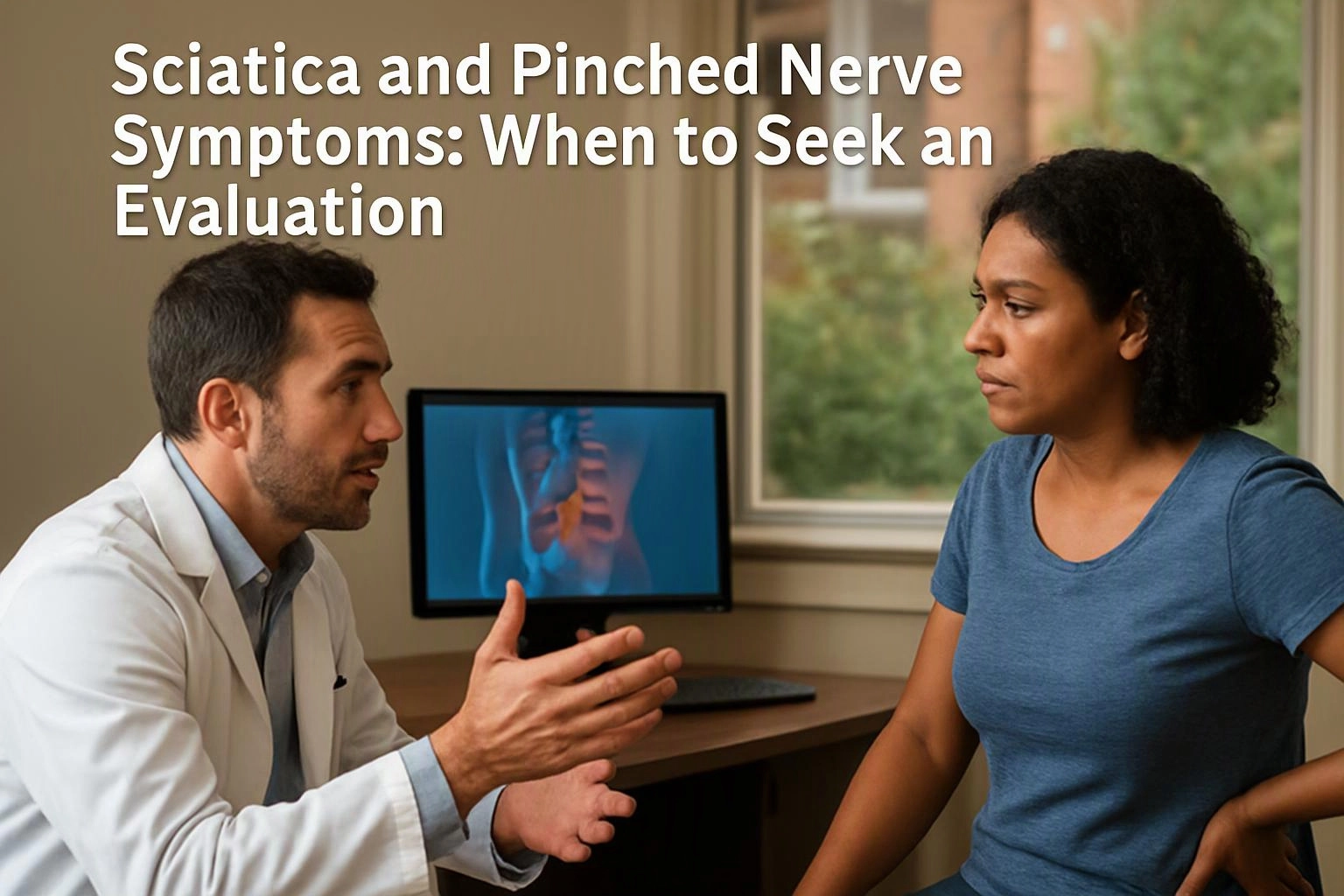
What Do Sciatica and Lumbar Radiculopathy Symptoms Feel Like?
Sciatica is nerve-related pain that follows part of the sciatic nerve from the lower back into the leg. Lumbar radiculopathy is a related condition caused by irritation of a lumbar nerve root.
Symptoms can affect the back, hip, leg, or foot. We review the pattern and changes in symptoms during a medical evaluation.
What Causes Sciatica and a Pinched Nerve?
A pinched nerve in the lower back develops when a lumbar nerve root becomes irritated or compressed. We look for the cause because the cause shapes the treatment plan.
How Can a Herniated Disc Cause Sciatica?
Yes, a herniated disc can cause sciatica when displaced disc material irritates or compresses a lumbar nerve root.
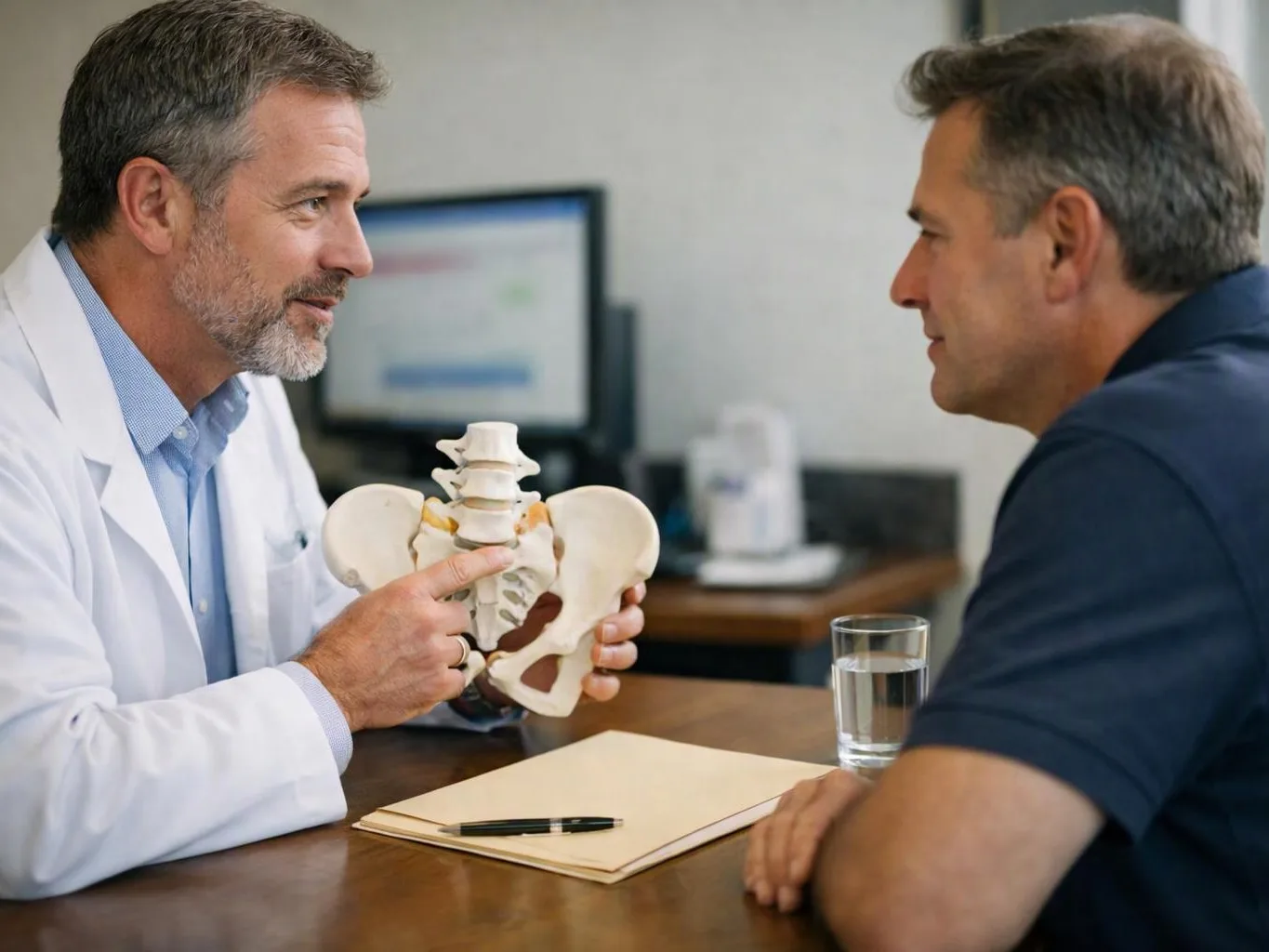
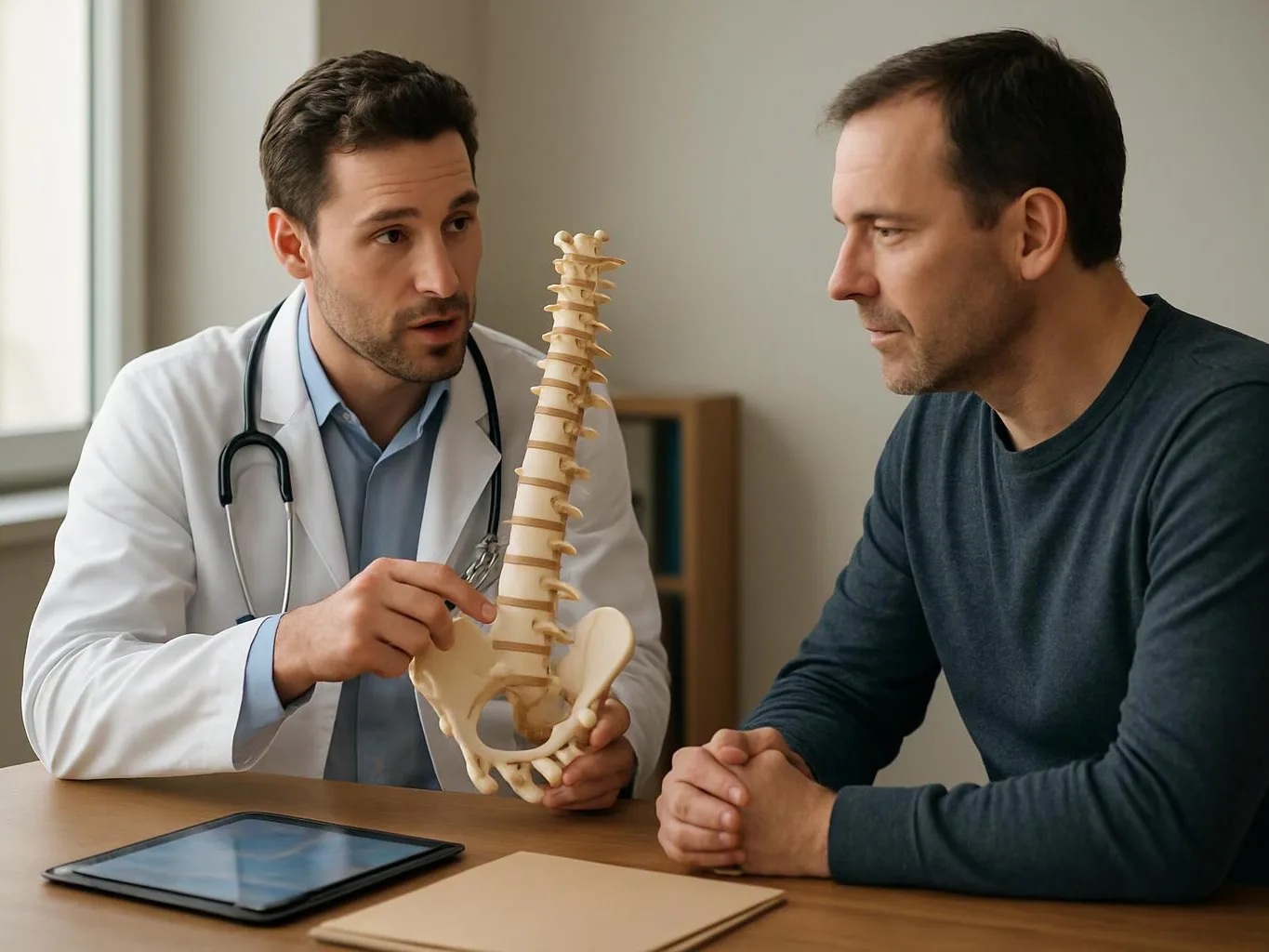
A herniated disc occurs when part of an intervertebral disc moves beyond its usual boundary. Disc inflammation and nerve compression can then create pain, tingling, numbness, or weakness along the nerve path.
Our team connects the symptoms with the examination findings to decide whether disc-related sciatica is likely.
When Should You Seek an Evaluation for Sciatica?
You should seek an evaluation when sciatica symptoms persist, worsen, or include numbness or weakness in the leg.
Persistent leg pain can affect walking, sleep, work, and daily movement. We assess symptoms that limit movement and check for changes that may signal increasing nerve involvement.
A medical evaluation can help separate common nerve irritation from more serious warning signs. Contact our team when pain or nerve symptoms continue to interfere with normal activities.
Which Sciatica Symptoms Need Urgent Medical Attention?
Sudden severe weakness, saddle numbness, or loss of bladder or bowel control needs urgent medical attention.
These warning signs may indicate cauda equina syndrome, which involves serious pressure on nerves near the bottom of the spinal canal. Seek urgent medical care when these symptoms appear.
How We Evaluate Sciatica and Lumbar Radiculopathy
We evaluate sciatica through symptom history, physical examination, and a focused neurologic examination. Premier Injury Specialists uses these findings to connect the pain pattern with possible nerve involvement.
Our team checks reflexes, muscle strength, and sensation in the leg and foot. We also review movement, pain location, and signs of nerve compression.
Medical imaging may help show changes in the lumbar spine, such as a herniated disc or spinal stenosis. We consider spinal imaging alongside the examination rather than using an image alone to explain symptoms.
What Treatments May Help Sciatica Symptoms?
Treatment depends on the cause, symptom severity, nerve findings, and response to earlier care. We connect the evaluation to appropriate sciatica treatment when treatment is needed.
Pain management may include conservative treatment, physical therapy, or medication when those options fit the findings. Our team explains how each option supports the treatment plan.
Lumbar Radiculopathy Treatment and Herniated Disc Treatment may include injection treatment when appropriate. We may also coordinate a spinal surgery referral when nerve findings or structural problems call for surgical review.
How Can You Reduce the Risk of Recurrent Sciatica?
Recurrent sciatica risk may decrease when you protect the back and keep the body moving. We can discuss safe habits that match your symptoms and physical needs.
What Should You Bring to a Sciatica Evaluation?
Bring details that show when symptoms began and how they have changed. We use this information to make the medical consultation more focused.
How Can You Arrange an Evaluation?
Premier Injury Specialists provides a medical consultation that includes symptom review, examination, and treatment planning. We use the findings to explain the next step for your sciatica or lumbar radiculopathy.
Use our contact page to request an evaluation and discuss your symptoms with our team. Free Consultations are available for people seeking guidance about their condition and care options.
Contact Premier Injury SpecialistsQuestions About Sciatica and Pinched Nerve Symptoms
Can sciatica go away on its own?
Sciatica can improve on its own, but Premier Injury Specialists recommends evaluation when symptoms persist, worsen, or include weakness. An evaluation helps identify nerve compression and guide safe care.
Can sciatica affect both legs?
Yes, sciatica can affect both legs when nerve irritation or compression involves both sides of the lumbar spine. Symptoms in both legs need medical evaluation, especially when weakness or bladder changes occur.
Can sciatica cause foot numbness?
Yes, sciatica can cause foot numbness when a lumbar nerve root affects sensation along the leg and foot. New or worsening loss of sensation should be assessed.
Does sciatica always come from a herniated disc?
No, sciatica doesn't always come from a herniated disc. Spinal stenosis, bone spurs, and other causes of nerve compression can also produce radiating leg symptoms.