Whiplash Symptoms That May Need Medical Evaluation
Whiplash symptoms can include neck pain, stiffness, headaches, shoulder pain, and arm tingling. Premier Injury Specialists evaluates symptoms, checks for related injuries, and explains treatment options when medical care may be needed. We offer Free Consultations.
Request an EstimateWhat Is Whiplash?
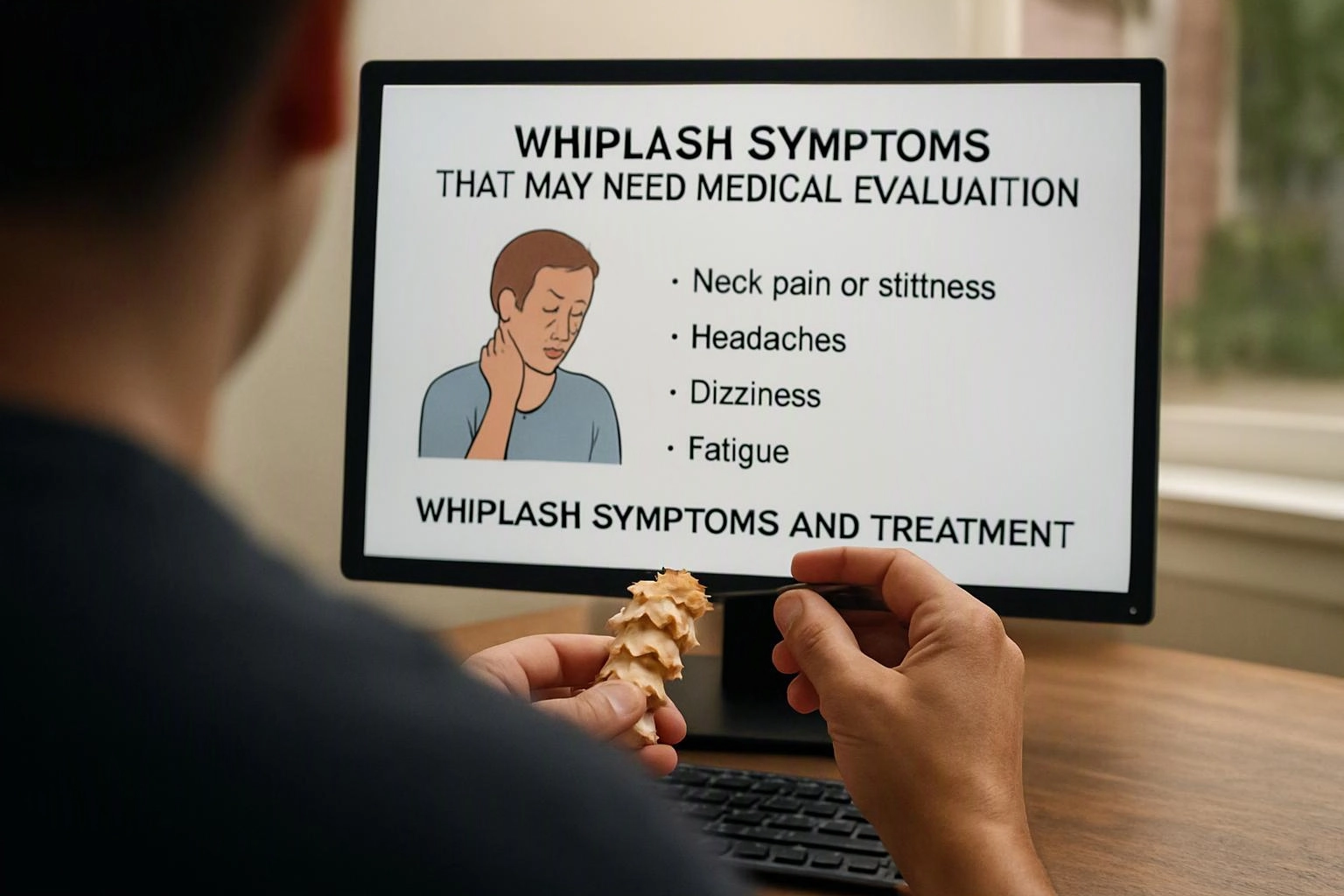
Whiplash is a neck injury that happens when the head moves forcefully back and forth. This acceleration-deceleration injury often affects the neck muscles, ligaments, and other soft tissue.
A motor vehicle collision can cause whiplash even when there is little visible vehicle damage. We examine the neck and related areas to look for signs of strain, tenderness, and limited movement.
What Are the Symptoms of Whiplash?
Whiplash symptoms can affect the neck, head, shoulders, and arms. Some symptoms stay near the neck, while others may involve nerves and cause radiating pain.
How Can Whiplash Symptoms Change After an Accident?
Whiplash symptoms can start after the accident and may become noticeable later as inflammation and muscle tension develop.
Delayed symptoms can appear after a car accident, even when you feel only mild soreness at first. Inflammation and muscle tension may increase pain and reduce movement as the injury develops.
We ask when each symptom began and whether it has changed. This symptom timeline helps us assess injury progression and plan the next step.
What Causes Whiplash?
Whiplash occurs when a sudden force moves the head and neck beyond their usual motion. Common collision forces include the following:
These forces can cause a muscle strain, ligament injury, or irritation near the nerves. We examine the affected areas to understand which findings may explain your symptoms.
When Should You Seek Medical Evaluation for Whiplash?
You should seek medical evaluation when neck symptoms persist, worsen, limit movement, or include neurological signs such as arm tingling or weakness.
Persistent pain after a collision deserves attention, especially when symptoms interfere with sleep, work, or daily movement. Worsening symptoms can include increasing neck pain, new arm tingling, numbness, or arm weakness.
Seek urgent medical care for serious head injury warning signs, such as confusion, fainting, repeated vomiting, a severe worsening headache, or trouble speaking. We can evaluate collision-related neck symptoms and help determine whether additional care is needed.
How Does Whiplash Treatment Address Pain and Limited Movement?
Whiplash treatment begins with a physical examination and a review of your symptoms and accident details. We assess tenderness, muscle function, neurological symptoms, and range of motion.
Pain management may include medication guidance, movement recommendations, or physical therapy based on the findings. When the examination suggests another injury, we can make an imaging referral for further assessment.
Our goal is to connect the physical findings with your pain and limited movement. We explain treatment options and create a treatment plan that fits the injury being evaluated. You can learn more about our Whiplash Treatment services.
What Does a Whiplash Evaluation Include?
A whiplash evaluation includes your history, accident details, physical findings, and treatment needs. Our team uses these steps to understand the injury and guide care.
- Symptom history: We discuss pain, stiffness, headaches, tingling, dizziness, and other symptoms.
- Accident details: We ask about the collision direction, body position, and immediate symptoms.
- Neurological examination: We check strength, sensation, reflexes, and signs of nerve involvement.
- Neck examination: We assess tenderness, muscle tension, posture, and range of motion.
- Treatment planning: We explain appropriate treatment options and whether imaging or follow-up care may help.
What Can Help Prevent Whiplash During a Collision?
Vehicle safety features and proper positioning may reduce the force placed on the neck during a collision. These steps cannot prevent every neck injury, but they support safer driving.
How Can You Prepare for a Whiplash Appointment?
Preparing a clear symptom timeline helps us understand how the injury has changed. Write down when pain began, where it travels, and which movements make it worse.
Bring accident details, current medications, and information about prior injuries. Notes about movement limits, headaches, dizziness, tingling, or weakness can also support the physical exam.
Our team reviews your medical history with your current findings. This process helps us explain the likely source of symptoms and discuss treatment options.
How We Help Evaluate Whiplash Symptoms
Premier Injury Specialists provides Auto Accident Injury Evaluation for people with symptoms after a collision. We use a focused physical examination to assess neck pain, range of motion, and neurological symptoms.
Our pain management physician reviews the accident details and connects them with your symptoms. We provide guidance for neck pain treatment and explain when Whiplash Treatment may be appropriate.
Contact us to discuss your symptoms and request Free Consultations. Contact Premier Injury Specialists to begin an evaluation.
Questions About Whiplash Symptoms
Can whiplash cause headaches, shoulder pain, or arm tingling?
Yes, whiplash can cause headaches, shoulder pain, and arm tingling when neck muscles, ligaments, or nearby nerves are affected. Premier Injury Specialists checks these symptoms during the physical examination and looks for related neurological findings.
Can whiplash symptoms start days after a car accident?
Yes, whiplash symptoms can start days after a car accident as inflammation and muscle tension develop. A delayed onset does not rule out a collision-related neck injury.
Can whiplash symptoms get worse over time?
Yes, whiplash symptoms can worsen over time as inflammation and muscle tension increase. Worsening pain, reduced movement, arm tingling, or weakness should prompt medical evaluation.
What should I bring to a whiplash evaluation?
Bring accident details, a symptom timeline, your current medications, and information about prior injuries. Notes about pain location, movement limits, tingling, weakness, or dizziness can help us understand your condition.
Related Resources
Auto Accident Injury Evaluation Companies Worth Comparing in Stockbridge (2026)
Brand vs BrandPremier Injury Specialists vs Local Auto Accident Injury Evaluation Alternatives in Stockbridge: Side-by-Side Comparison
Brand vs BrandHow to Choose a Pain Management Physician in Stockbridge
Brand vs BrandWhiplash Treatment Companies Worth Comparing in Stockbridge (2026)