Pain Management Consultation: What to Prepare and Ask
Pain management consultation preparation helps you explain symptoms, records, injury history, medicines, and goals clearly. Premier Injury Specialists reviews these details with you and helps organize medical documentation before the first appointment. Good preparation supports focused questions, careful treatment planning, and clear follow-up steps.
Request an EstimateWhat Happens at a First Pain Management Appointment?
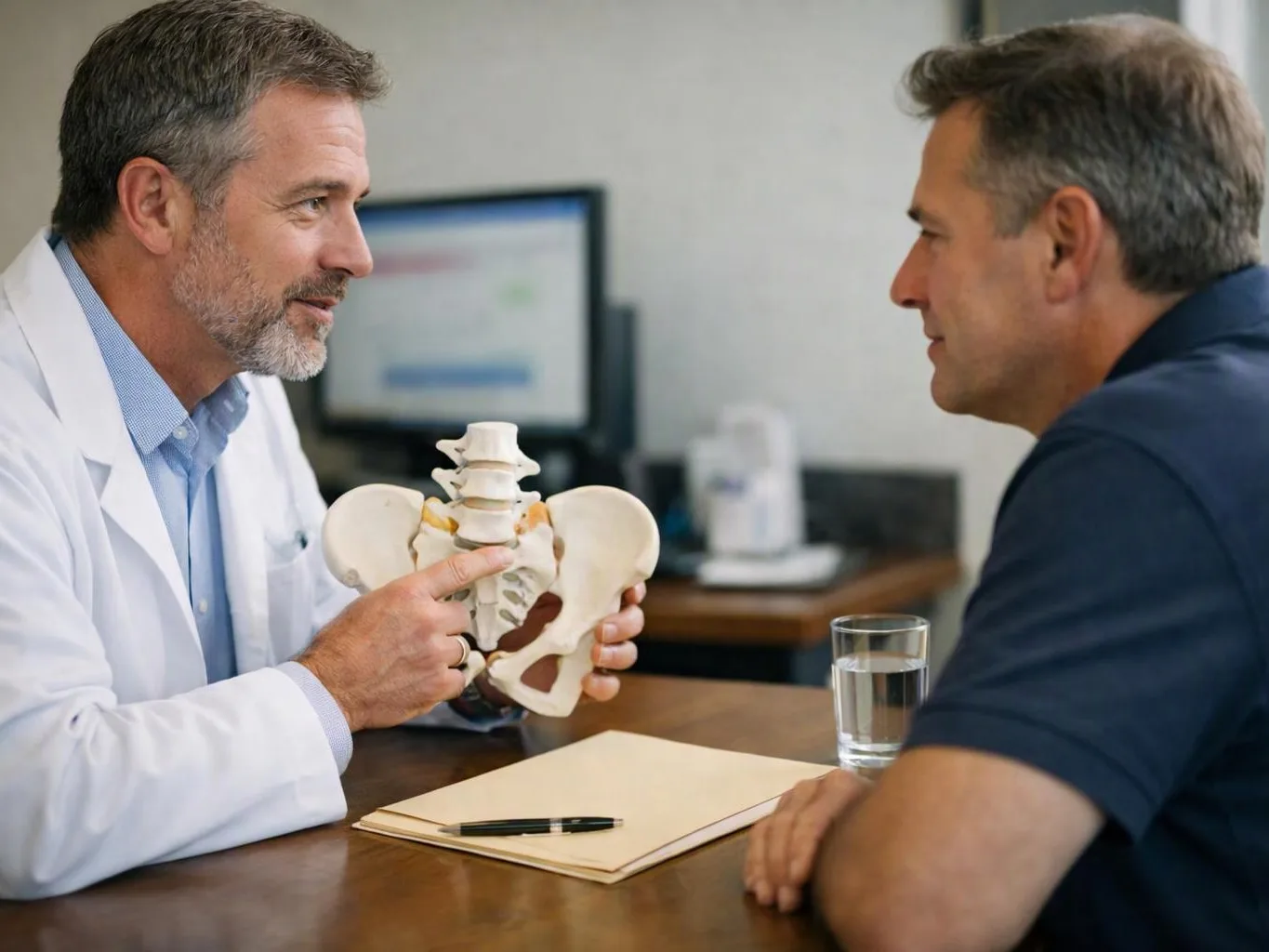
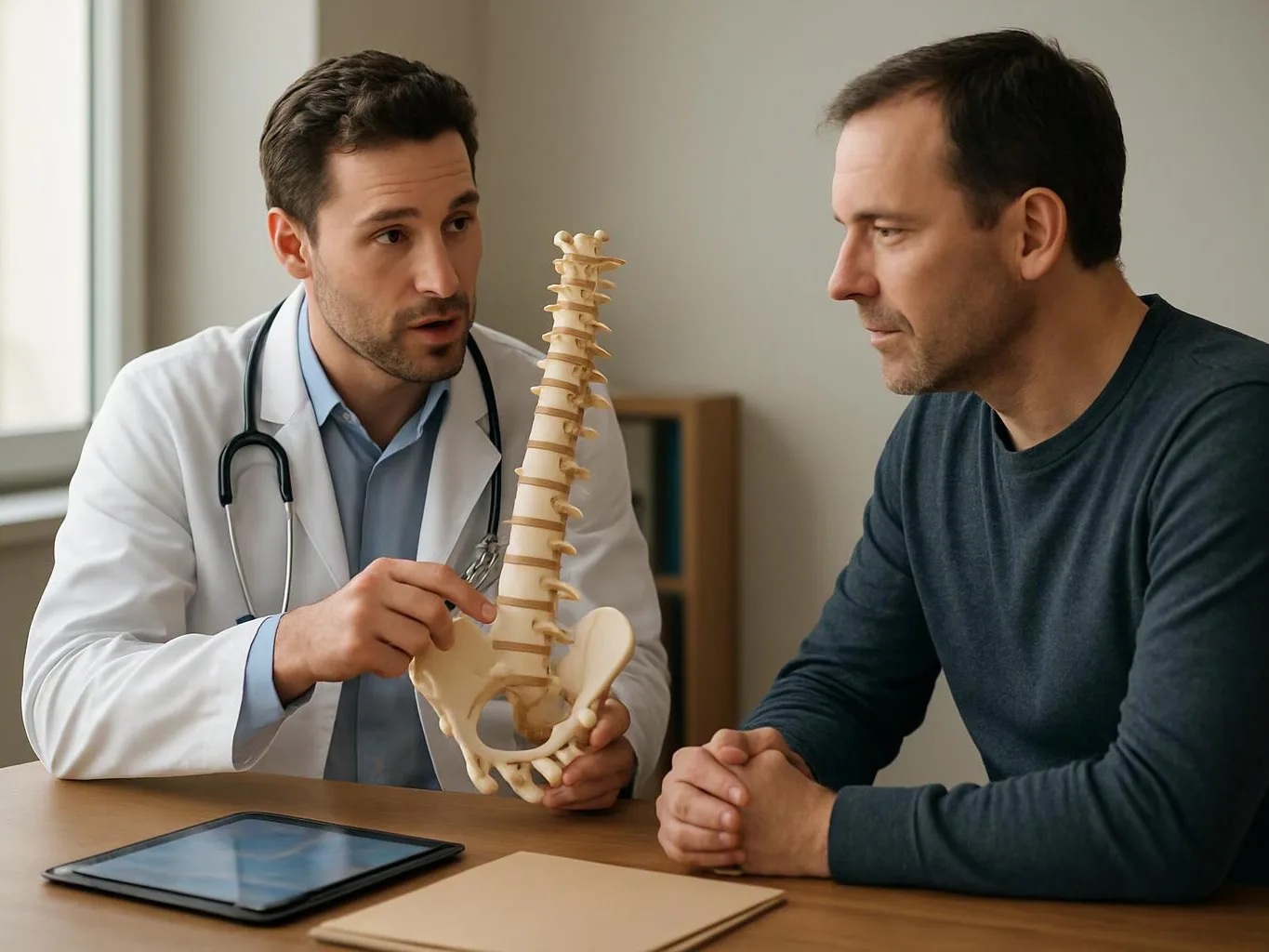
A first pain management appointment reviews your pain history, medical records, physical symptoms, and treatment goals before the physician recommends next steps.
A pain management physician usually begins with your medical history and pain assessment. The discussion may cover acute pain, chronic pain, injury history, pain location, pain triggers, and how symptoms affect daily activities.
The physician may also complete a physical examination. We use the findings, available imaging, and your goals to discuss a treatment plan without promising a diagnosis or result before the evaluation is complete.
What Should You Bring to the Appointment?
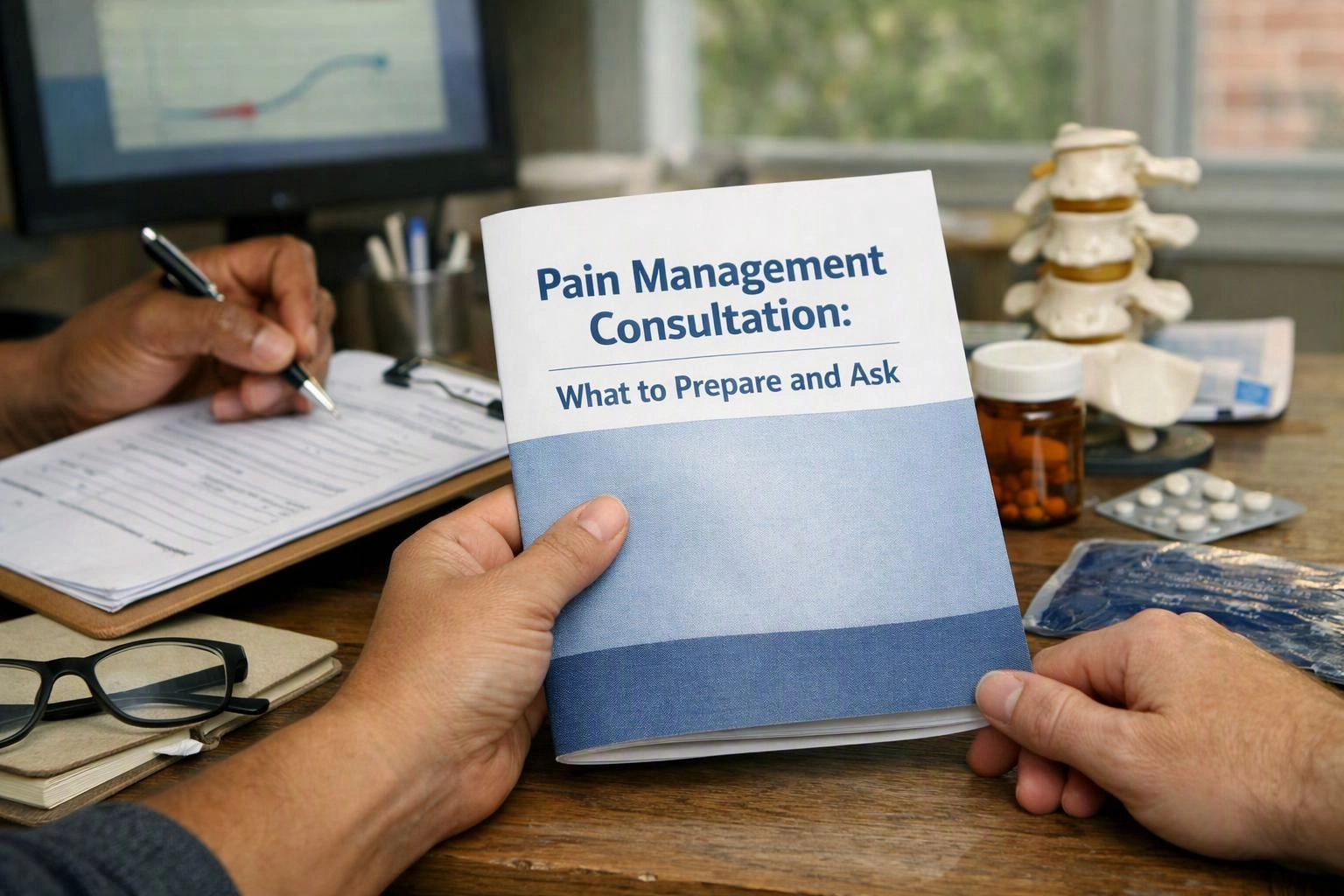
Bring your medical records, imaging information, medication list, injury details, identification, and questions about your symptoms.
Organized information helps the pain management physician understand your condition. Use this checklist to prepare your first pain clinic visit.
Medical Records and Imaging
Pain and Medication Details
How Do You Prepare for the Conversation?
A pain timeline explains when symptoms began, how they changed, and what affects them now.
Write down the injury mechanism if an accident caused your symptoms. Note changes in movement, sleep, work, exercise, and other daily activities.
Bring your health history and treatment goals. Clear goals help the physician discuss options that fit your symptoms, safety needs, and functional limits.
Which Visit Type Fits Your Situation?
An initial consultation fits a new or recently evaluated condition, while a follow-up appointment reviews progress and adjusts an existing plan.
The right visit depends on whether your care team is starting an evaluation or maintaining an existing plan. Ask about consultation cost and the appointment timeline when scheduling, because those details can depend on the clinic and your insurance.
| Factor | Initial pain management consultation | Follow-up pain management appointment |
|---|---|---|
| Cost | Depends on insurance, clinic policy, records, and services discussed. | Depends on the existing care plan, insurance, and services provided. |
| Timeline | Starts the evaluation and treatment planning process. | Reviews progress and plans next steps. |
| Maintenance | Establishes a baseline for future care. | Tracks symptoms and supports ongoing care maintenance. |
| Best for | A new condition, injury, or treatment concern. | An established condition needing treatment planning changes. |
What Are the Advantages of an Initial Consultation?
An initial consultation gives the physician a structured starting point for your care. It connects your symptoms, records, examination findings, and care goals.
Best for: patients seeking a first evaluation or a new treatment plan.
What Are the Advantages of a Follow-Up Appointment?
A follow-up appointment checks how your care plan is working and identifies needed changes. Bring updated symptom notes and questions about your response to treatment.
Best for: patients with an established plan who need progress review or care changes.
Do You Need a Referral to See a Pain Management Physician?
Referral requirements vary by insurance plan, clinic policy, and medical situation, so confirm the requirements before scheduling.
Some plans require a referral from a primary care physician. Other situations may allow direct scheduling, but the clinic may still request medical records before the visit.
Ask about referral requirements, insurance rules, and which records the pain management physician needs. We can help you organize medical documentation for an Auto Accident Injury Evaluation when an accident caused your symptoms.
What Questions Should You Ask the Pain Management Physician?
Questions about diagnosis, treatment, risks, benefits, and follow-up care help you understand your options.
Write your questions before the visit so important concerns don't get missed. Ask for plain-language explanations when a medical term is unclear.
How Can Injury Documentation Support the Consultation?
Injury documentation gives the physician a clearer record of what happened and how symptoms developed.
For an auto accident injury evaluation, gather the accident date, injury mechanism, symptom timeline, medical records, and imaging referrals. These details can connect the event with later pain symptoms without replacing the physician’s evaluation.
Our team helps organize medical documentation before a pain management consultation. Clear records can also support communication between the referring physician, imaging center, and pain care team.
What Happens After the First Appointment?
After the first appointment, the physician explains the treatment plan and identifies any needed next steps.
Those steps may include diagnostic testing, an imaging referral, medication review, therapy discussion, or a follow-up appointment. The plan depends on your examination, records, symptoms, and goals.
Ask how results will be shared and when to contact the office with new questions. We help keep your injury timeline and medical documentation organized for continued communication.
Questions About Your Pain Management Consultation
Can I see a pain management doctor without a referral?
Yes, some clinics and insurance plans allow direct scheduling, but referral requirements vary. Premier Injury Specialists can help you organize the records needed for the consultation.
Should I bring imaging discs to a pain management appointment?
Yes, bring imaging discs when available and confirm that the clinic accepts them. Also bring the related MRI, X-ray, or CT scan reports.
What if I do not have all my medical records?
You can still ask about scheduling, but tell the clinic which records are unavailable. Request copies from the referring physician, hospital, imaging center, or earlier treatment office.
Will the pain management doctor review my medications?
Yes, medication review is a common part of the appointment. Bring your current medication list, allergies, supplements, and previous treatment details.
Can I ask about treatment risks during the first visit?
Yes, ask about the risks, benefits, alternatives, and expected follow-up for each treatment option discussed. Clear questions help you make informed choices with the physician.
Contact Premier Injury Specialists to organize your injury details and medical documentation before a pain management consultation.
Get a Free EstimateRelated Resources
Auto Accident Injury Evaluation Companies Worth Comparing in Stockbridge (2026)
Brand vs BrandPremier Injury Specialists vs Local Auto Accident Injury Evaluation Alternatives in Stockbridge: Side-by-Side Comparison
What It SolvesBest Auto Accident Injury Evaluation Options for Urgent, Budget & Long-Term Projects in Stockbridge
What Goes With ItImaging Guidance for Pain Procedures: Fluoroscopy and Ultrasound