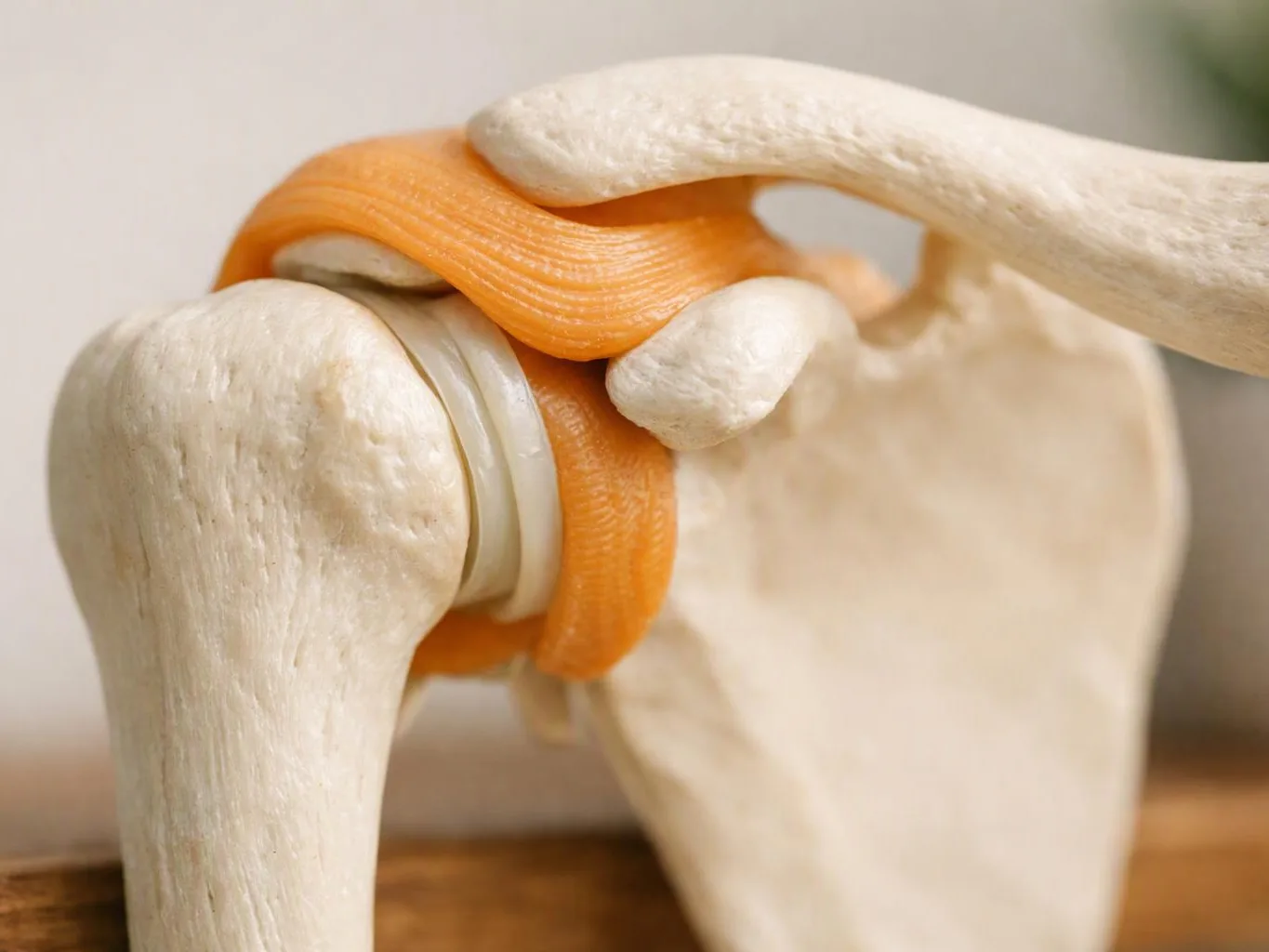
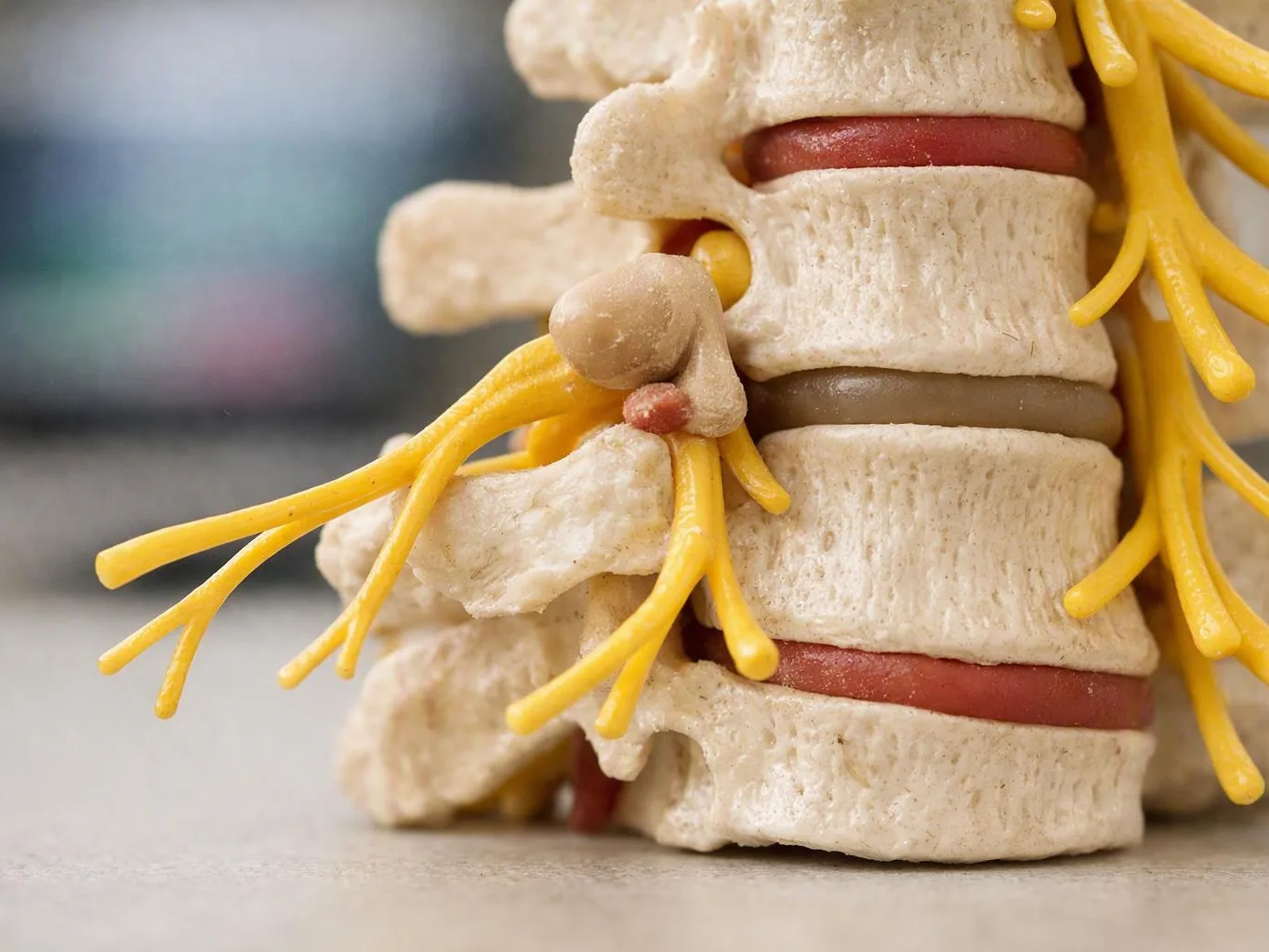
Joint Injections for Arthritis and Musculoskeletal Pain
Joint injections for arthritis pain may help reduce inflammation, ease pain, and support movement when other treatments haven't provided enough relief. Premier Injury Specialists evaluates the affected joint, symptoms, and health history before recommending an appropriate treatment plan.
Request an Estimate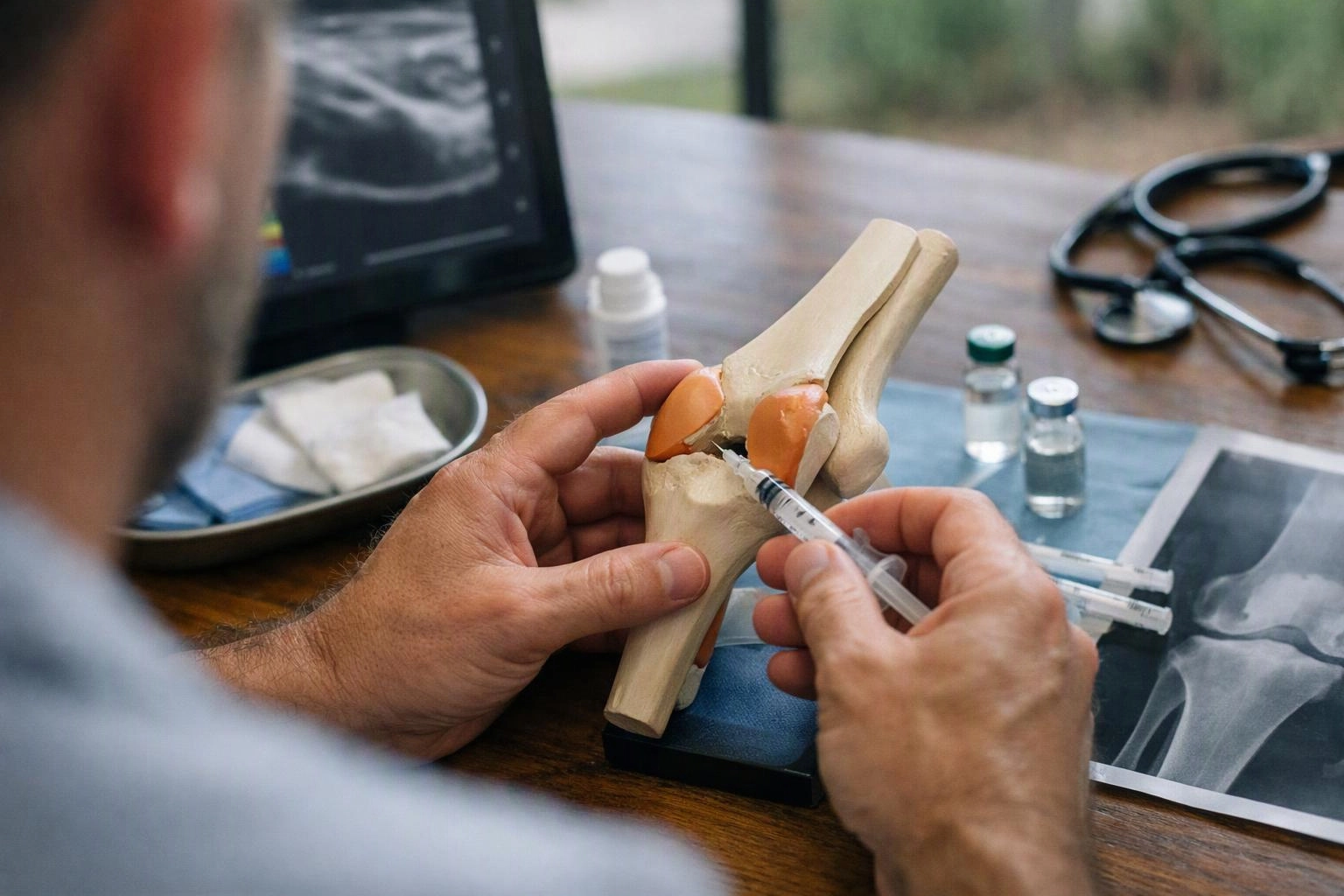
How Joint Injections Can Help Arthritis Pain
Joint injections can help some people with arthritis pain by targeting inflammation and pain in an affected joint. The goal is to reduce symptoms and support safer movement.
Arthritis can cause joint inflammation, stiffness, swelling, and pain with activity. Injections may provide focused pain relief when a painful joint limits range of motion.
Osteoarthritis often affects the joint surface over time. Rheumatoid arthritis can cause inflammation throughout the body. We review the cause of your symptoms before choosing injection therapy.
When Arthritis Treatment and Joint Injections Work Together
Joint injections and arthritis treatment work together when targeted pain relief supports a broader plan for joint function and symptom control. We use injections as one part of a physician-led approach.
People may need both services when pain affects daily movement or conservative treatment has not helped enough.
We assess the painful area and connect the injection plan with other care. The treatment choice depends on the joint, diagnosis, symptoms, and overall health.
What Types of Joint Injections Are Available?
Corticosteroid injections, hyaluronic acid injections, and selected regenerative medicine injections may be considered for arthritis. The right option depends on the joint and diagnosis.
Corticosteroid injections may help calm inflammation in an affected joint. Hyaluronic acid injections may support joint comfort by supplementing fluid within the joint. Regenerative medicine injections require careful review because treatment suitability varies.
We may use ultrasound guidance when it can improve needle placement or help us identify the injection site. Our team explains the purpose, expected benefits, and possible side effects before treatment.
For broader context, our guide to Pain Management Treatment Options: Injections, Nerve Blocks, and More explains how injection therapy fits into nonsurgical care.
How We Match an Injection to Your Joint Pain
Our team matches an injection to your joint pain by reviewing your symptoms, health history, and treatment goals. We also confirm that the injection site fits the suspected source of pain.
How Joint Injections and Arthritis Treatment Work Together
Joint injections can support arthritis treatment by providing targeted symptom relief while the broader plan addresses movement, activity, and ongoing care. We build the plan around your health needs and treatment goals.
Different parts of care may support each other in several ways.
Our team reviews these factors together instead of treating one symptom in isolation. This helps keep injection therapy connected to long-term joint function.
What to Expect Before and After a Joint Injection
Patient evaluation comes first, so we can confirm the diagnosis and review safety concerns. We explain injection preparation, the medication, and the expected care plan.
During preparation, we review your medical history and medicines. We also discuss allergies, bleeding concerns, and questions about the needle, syringe, or injection site.
After treatment, post-injection care may include activity guidance and monitoring for side effects. Temporary soreness can occur, so we explain which symptoms need follow-up.
Follow-up care helps us review pain relief, movement, and any continuing symptoms. We can then adjust the treatment plan when needed.
When Joint Injections May Not Be the Right Choice
Joint injections may not be appropriate when health risks, medication concerns, or the cause of pain require another treatment approach. We screen for these concerns before recommending injection therapy.
Infection near the injection site can make treatment unsafe. Bleeding risk, medication interactions, or a possible allergic reaction may also change the plan.
Advanced joint damage may need a different evaluation or alternative treatment. We explain the reason for that recommendation and discuss available treatment options.
Tell us about new symptoms, recent illness, allergies, and every medicine you take. Clear information helps our team choose the safest next step.
Questions to Ask Before a Joint Injection
Patients should ask about the diagnosis, medication, expected benefits, and risks before a joint injection. Clear answers help you make an informed treatment decision.
How to Plan Your Arthritis Pain Treatment
Arthritis pain treatment starts with a careful pain evaluation and a clear discussion of your goals. Our Pain Management physician reviews the affected joint, symptoms, health history, and prior care.
A joint injection consultation can help you understand whether injection therapy fits your condition. We explain treatment options and connect the recommendation to movement, symptom control, and follow-up care.
Our Joint Injections service is part of our broader musculoskeletal treatment approach. Premier Injury Specialists offers Free Consultations so you can discuss your symptoms and possible next steps with our team.
Questions About Arthritis Joint Injections
Are joint injections safe for arthritis?
Joint injections can be safe for suitable patients after a medical review. Premier Injury Specialists checks your diagnosis, health history, medicines, allergies, and possible infection before treatment.
Which joints can receive arthritis injections?
Arthritis injections may be used for joints such as the knee, hip, or shoulder when the diagnosis supports treatment. We choose the injection site after reviewing your symptoms and examination findings.
Can joint injections replace arthritis treatment?
Joint injections usually support arthritis treatment instead of replacing the full care plan. We may combine targeted symptom relief with physical therapy, activity modification, medicine review, and follow-up care.
What should I avoid after a joint injection?
After a joint injection, follow the activity guidance given for your specific joint and condition. Contact our team if you notice concerning side effects or worsening symptoms.
Premier Injury Specialists can review your joint pain and discuss a treatment plan that fits your needs. Request your Free Consultations through our contact page.