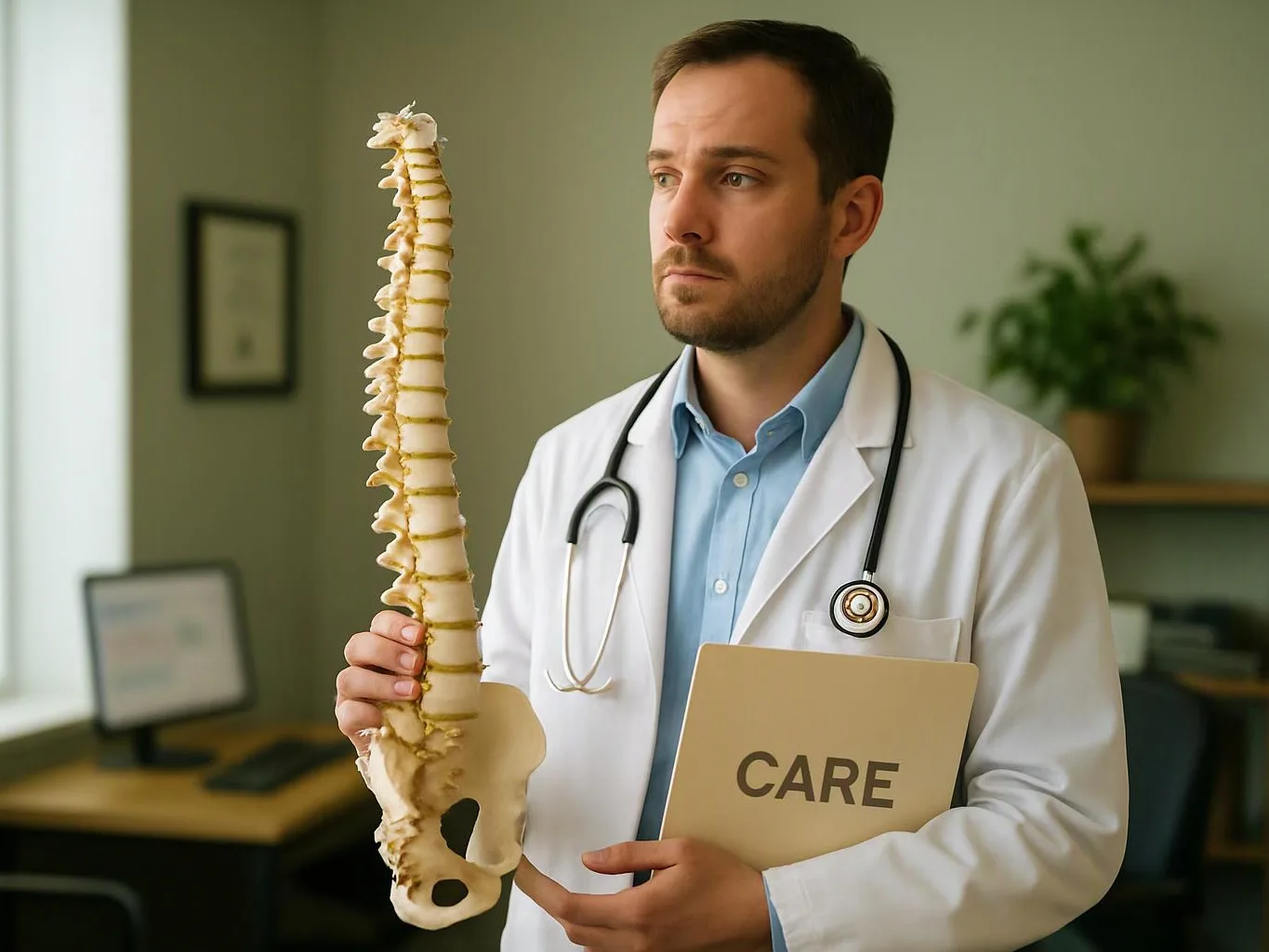
How is cervical radiculopathy diagnosed for Cervical Radiculopathy Treatment?
Reflex testing helps identify nerve changes, but diagnosis also uses the symptom pattern and neck examination. Premier Injury Specialists checks strength, sensation, movement, and reflexes together. The physician may review an MRI scan when it adds useful detail. This approach helps connect findings with your symptoms before a treatment plan is discussed.
What should I bring to my first pain appointment for Cervical Radiculopathy Treatment?
Medical records, imaging reports, medicine lists, and injury details help the first assessment. Bring the names of current medicines and note when symptoms started. A short record of pain location, numbness, weakness, and activities that worsen it can also help. Our team will review the information during the consultation.
Which symptoms suggest a neck nerve problem?
Arm pain, tingling, numbness, or weakness that follows a pattern from the neck may suggest nerve irritation. The neck examination tests whether movement changes those symptoms. Other conditions can cause similar complaints, so the symptom pattern does not confirm the cause alone. A physician needs to assess the full picture.
Why might an MRI report not explain my arm pain?
An MRI can show spine changes that do not match the symptoms causing your daily limits. We compare the report with neck movement, strength, sensation, and pain location. That comparison helps place the scan in context. Patients receive an explanation of what the findings may mean and what they do not prove.
When does neck and arm weakness need urgent care?
Sudden major weakness, trouble walking, or new loss of bladder or bowel control needs urgent medical attention. Those signs can point to a serious problem beyond routine pain care. Seek emergency care for those symptoms. Our clinic can discuss non-emergency neck and arm symptoms through a consultation.
Does this care include treatment after an auto accident?
Yes, injury-related pain care can address neck and arm symptoms after an auto accident. The evaluation reviews the injury history, current symptoms, and functional limits. We may discuss medication management, rehabilitation guidance, or minimally invasive treatment when appropriate. Bring accident records and prior imaging if you have them.
How does a Free Consultation help with treatment planning?
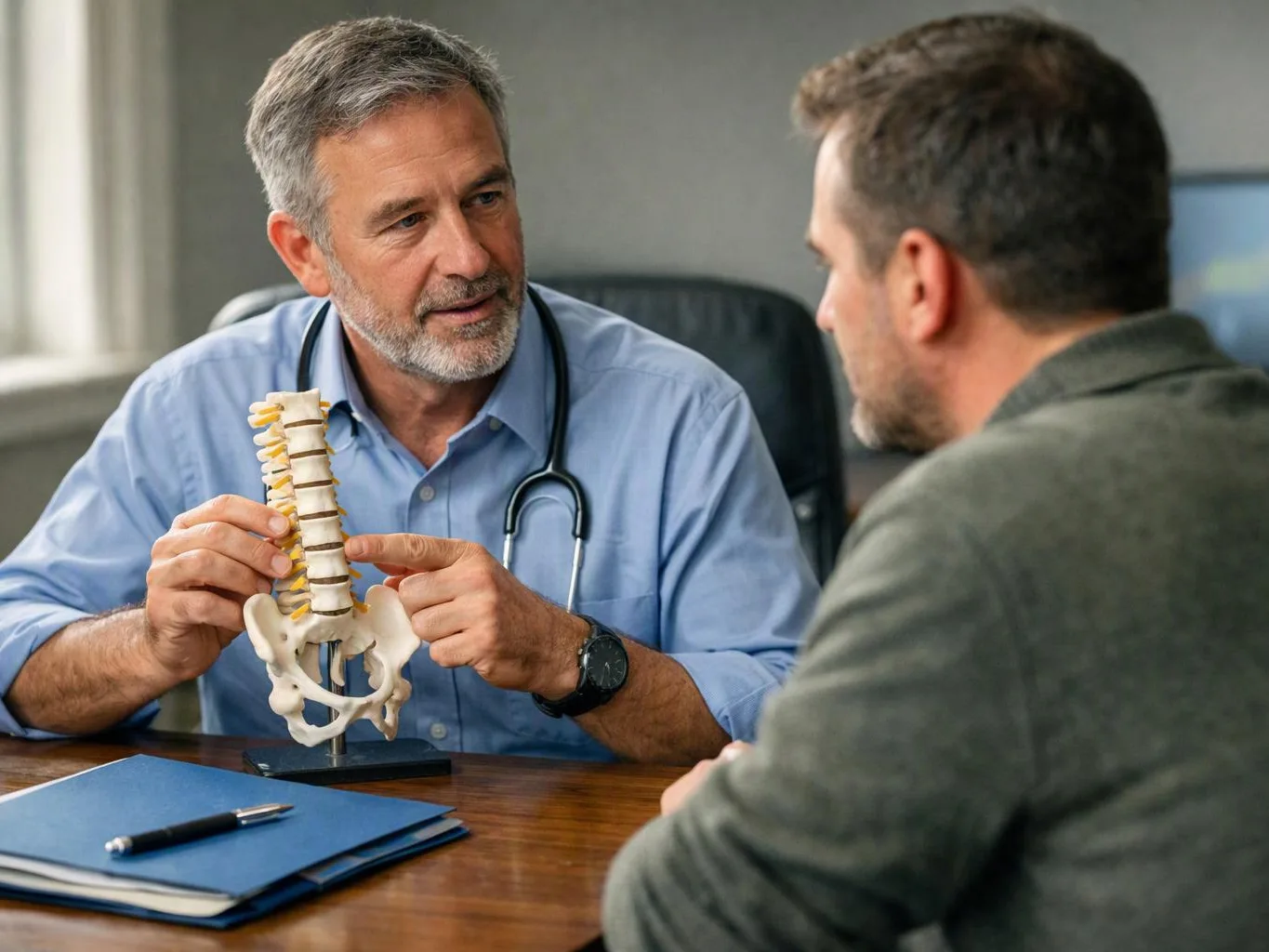
A Free Consultation gives you time to discuss symptoms, records, and possible next steps. The physician can explain what the examination focuses on and which questions need answers. Treatment is not chosen from symptoms alone. Findings, medical history, and your daily goals all guide the discussion.